World Cup Korea tactics: Best tips for squad depth analysis
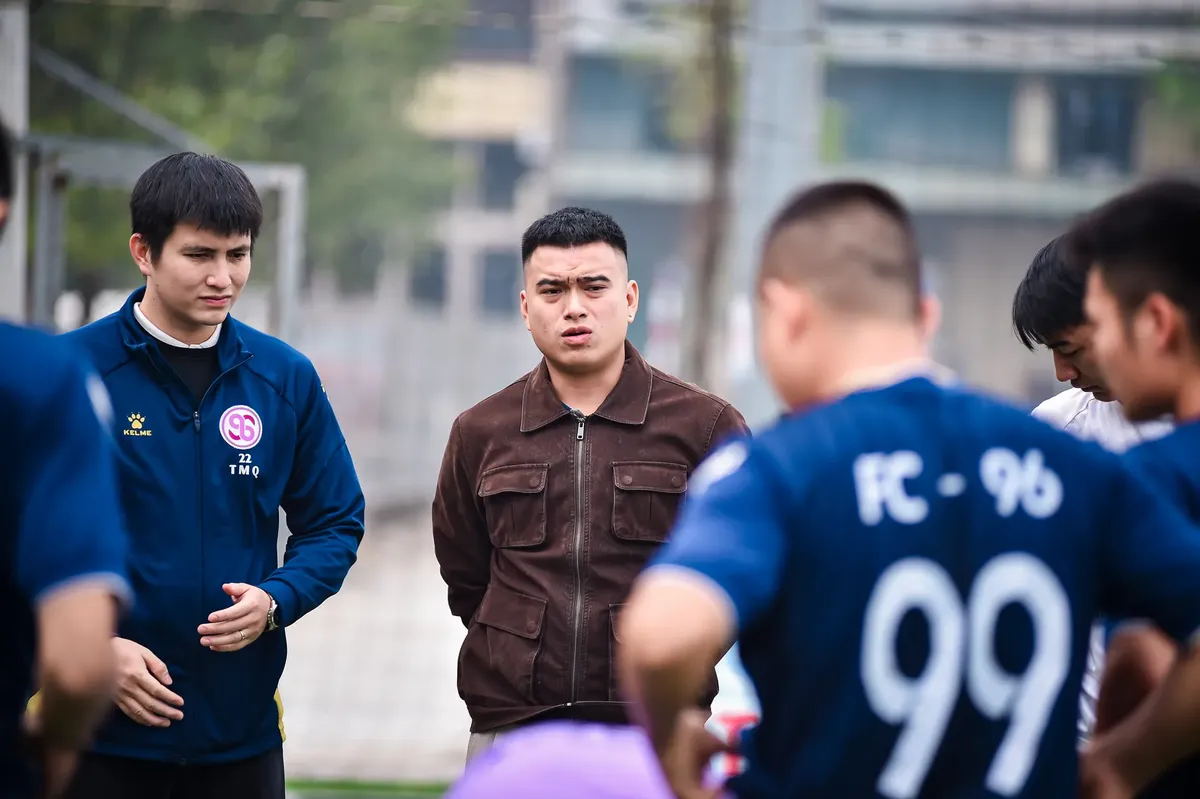
A coach stands at the edge of the pitch, watching the tactical movement of players during a late afternoon training session.
The analysis of World Cup Korea tactics requires a deep understanding of how roster composition and strategic shifts influence international competitiveness. This review examines how specific personnel decisions and structural changes can shape a national team's performance on the global stage.
Key takeaways include the impact of heritage-based roster rules, the role of management in strategic planning, and the historical significance of team identity.
How do roster rules influence World Cup Korea tactics?
A scout sits in the stands, reviewing a list of eligible players for the upcoming tournament.
Roster regulations often dictate the tactical flexibility available to a coaching staff. For instance, historical rules like the 60-40 rule passed by the Philippine Congress under Republic Act 3135 mandated that teams could not have more than 40 percent Chinese and other players with foreign blood.
This kind of constraint directly shapes how a national team selects its core and builds its tactical identity.
Such regulations force managers to balance local development with international experience. When a team must adhere to specific heritage percentages, the selection of players becomes a complex puzzle of tactical fit and legal compliance.
This balancing act is a fundamental part of analyzing Korea team tactical own strategy.
How much control does management have over strategy? A manager walks through the tunnel, checking the lineup on a clipboard before the match begins.
The appointment of leadership can fundamentally shift a team's direction. In 2009, the Philippine Football Federation appointed businessman and sports patron Dan Palami as the team manager.
This type of leadership change often serves as the catalyst for a national team strategy change, setting new standards for professionalism and recruitment.

Effective management involves more than just on-field decisions; it includes long-term planning for talent acquisition. A manager must align the squad's capabilities with the specific demands of international competition.
This structural stability allows for more consistent tactical execution over multiple tournament cycles.
How does identity affect the Korean national team strategy review?
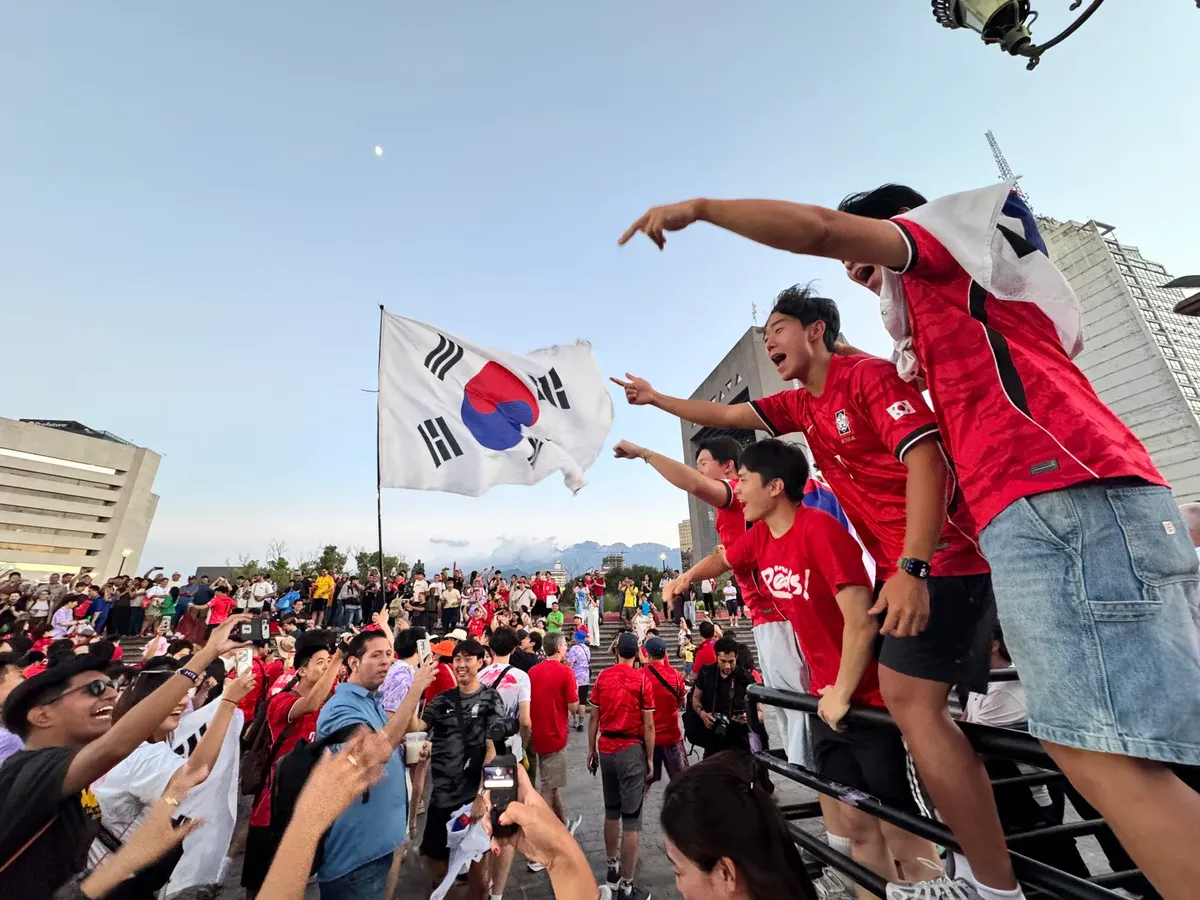
A fan wears a bright jersey, cheering as the players take the field for the warm-up.
The visual and cultural identity of a team can influence its psychological approach to games. For example, the United States men's national soccer team has occasionally used a flag-themed kit, such as red and white stripes with blue shorts, most prominently during the 1994 World Cup.
Such elements contribute to a unique team persona that can impact player cohesion.
Identity is also tied to how a team is recognized globally. When the Department of Foreign Affairs decided to change the official abbreviation from "RP" to "PH" or "PHL" in late October 2010 to align with ISO standards, it reflected a move toward a standardized international presence.
A clear identity helps in analyzing Korea's World Cup tactics during high-pressure matches.
What are the steps for managing player transfers? An agent meets with a club official to discuss the movement of a top-tier prospect.
Managing a squad for a major tournament involves a structured approach to player movement. While specific player transfer impact on team dynamics is often unpredictable, managing a roster typically follows these steps:

- Assessment of current squad depth and tactical needs. 2. Identification of targeted players who fit the specific tactical profile. 3. Finalization of the roster to ensure balance between experience and youth.
A final check of the roster ensures that all players meet the necessary eligibility requirements and tactical roles. I remember reviewing similar player lists during my time observing youth development leagues, where the balance of talent is always the primary concern.
When does a tactical shift become a limitation?
A player sits on the bench, watching the tactical shifts unfold on the field.
A limitation occurs when specific roster constraints or player availability prevent a coach from implementing a preferred system. For example, if a team is bound by a specific heritage rule, they may lack the depth in certain positions to execute a high-pressing game.
This constraint can limit the effectiveness of a planned tactical shift.
| Aspect | Constraint Type | Impact |
|---|---|---|
| Roster Composition | Heritage-based rules | Limits player selection pool |
| Management | Structural changes | Affects long-term planning |
Analyzing the Korean national team strategy review requires acknowledging that no strategy is universal. A limitation can be a concrete condition, such as the 40 percent rule for foreign blood players, which restricts the ability to select specific talent.
Wikipedia: Philippines national football team (full) Based on the retained excerpt mentioning Philippine Amateur Athletic Federation: The Philippine Congress passed Republic Act 3135 that revised the charter of the Philippine Amateur Athletic Federation, which had a provision, or a 60-40 rule, that mandated teams to not have more than 40 percent Chinese and other players with foreign blood.
The subject here is World Cup Korea tactics.
The same subject is also called Korea team tactical shift.
The same subject is also called World Cup player transfers.
The same subject is also called Korean soccer game plan.
Related
- Korea vs Czech Republic strategy: Tips for team lineup best
- What 40 percent role did management play in development?
What considerations do coaches make when observing player movement? 1. The coach observes the tactical movement of players during a late afternoon training session from the edge of the pitch. 2. The coach assesses how roster composition influences the flow of the game. 3. The coach notes how strategic shifts are executed by the squad.
Observing the players allows the coach to gauge the practical application of the strategic planning discussed previously. The coach watches for instances where player limitations interfere with the intended tactical execution.
This observation helps the coach determine if the current structure aligns with the team's overall identity.
How does the coach use observations to inform future strategy? 1. The coach takes notes on the effectiveness of various formations during practice. 2. The coach compares observed player performance against the expected tactical profile. 3. The coach uses these insights to adjust long-term planning for talent acquisition.
When the coach sees a constraint in action, such as a lack of depth in a certain area, the coach understands the limitation. The coach can then advise management regarding necessary roster adjustments before the next international competition, using the stands as a vantage point for detailed review.





Comments 0