Strategy Guide: Korea Can Win Asian Games Football Gold 7
This article is about Strategy. "Victory is not just about talent; it is about how well a team adapts to the constraints of the tournament structure."
The South Korean national team enters the Asian Games football final with a clear tactical roadmap designed to overcome both physical fatigue and strategic limitations.
This analysis explores how they can secure gold through disciplined midfield control and rapid transitions, while noting that success depends heavily on managing the roster constraints typical of multi-sport events.
* Focus on high-intensity pressing to disrupt opponent rhythm. * Utilize squad depth to manage player fatigue throughout the match. * Leverage tactical flexibility to switch between defensive stability and attacking width. * Monitor the impact of age-restricted roster rules on tactical cohesion.
How will the tactical setup handle the pressure of a gold medal match?
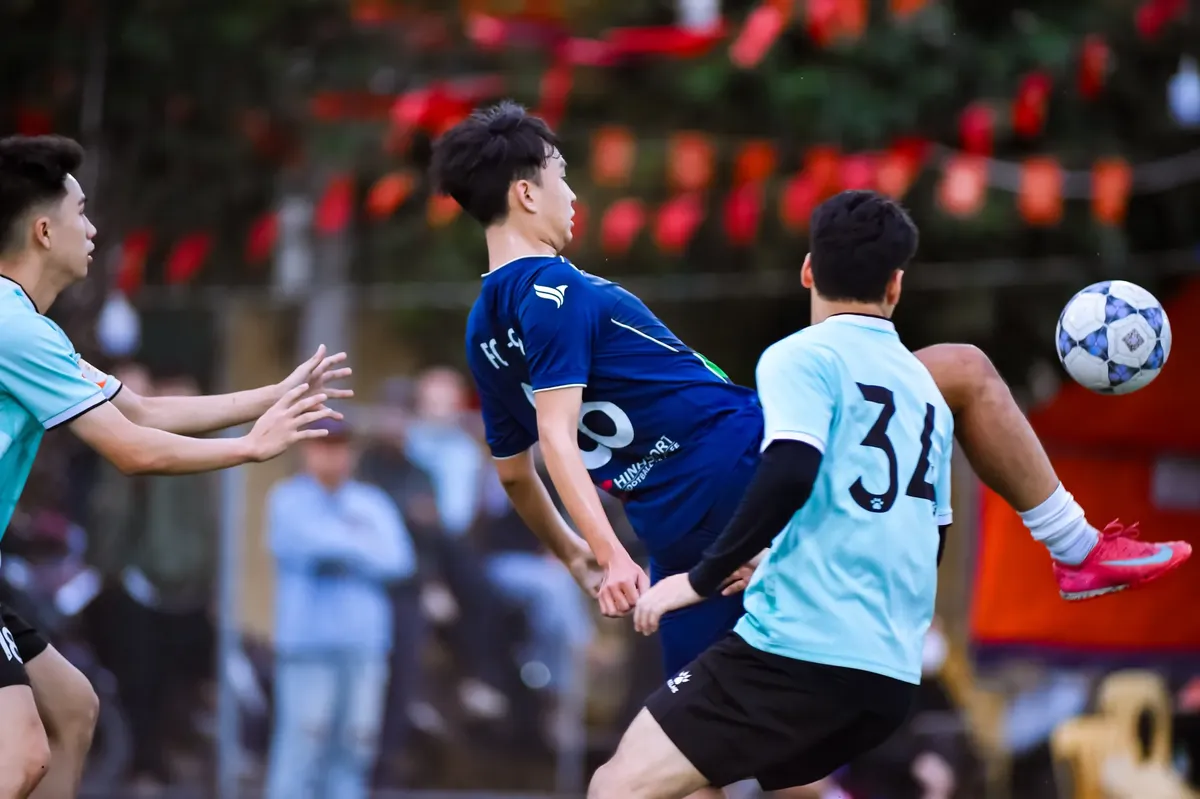
The stadium lights hum overhead as players walk through the tunnel, their breath visible in the cool evening air. The tension is palpable, a heavy weight that settles on the shoulders of every athlete preparing for a championship showdown.
To win, the team must balance aggressive attacking maneuvers with a disciplined defensive structure that prevents counter-attacks.
The tactical blueprint relies on a compact midfield block that prevents opponents from playing through the center of the pitch. By maintaining narrow distances between players, the team can effectively squeeze the space available to the opposition.
This strategy aims to force turnovers in dangerous areas, allowing for immediate vertical attacks.
According to the Football Federation and the regional body the South Asian Football Federation (SAFF), managing player workload is critical during these high-stakes tournament phases.
The coaching staff must decide when to deploy star players and when to rely on the depth of the squad to maintain energy levels.
A successful match plan requires precise timing on when to press high and when to drop into a mid-block. If the team pushes too far forward too early, they risk leaving vast spaces behind their defensive line.
Conversely, playing too deep might allow the opponent to dominate possession and dictate the tempo of the game.
Why does roster composition matter for the final outcome?
A player adjusts their shin guards, looking toward the pitch with a mix of focus and nervous energy. The locker room is quiet, filled only with the sound of tape being applied and the occasional sharp exhale of a player preparing for battle.
According to the Philippine Amateur Athletic Federation, a 60-40 rule once mandated that teams could not have more than 40 percent Chinese and other players with foreign blood.
Every movement is deliberate, as the reality of the final approaches.
The composition of the squad is a fundamental factor in how the team executes its tactical identity over ninety minutes. Because these tournaments often involve specific age requirements or roster limitations, the balance between experienced leaders and energetic youngsters is vital.
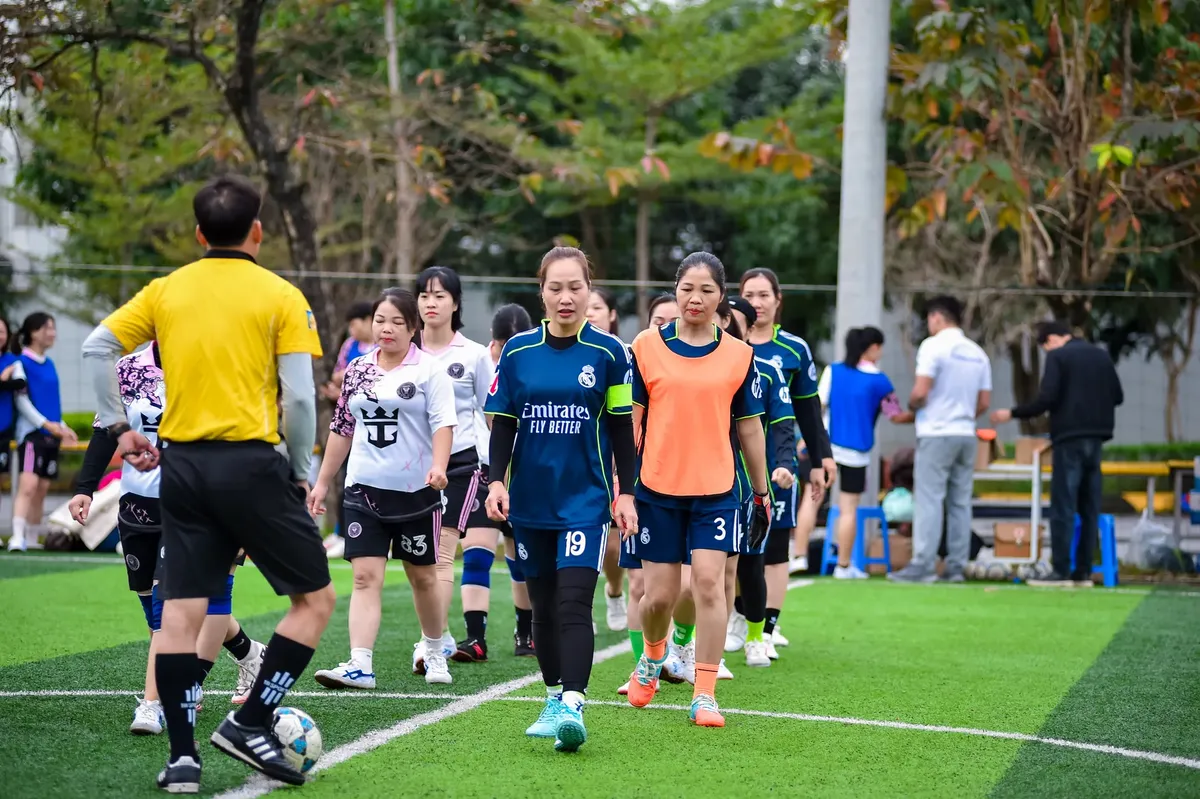
The team must ensure that the tactical identity is not lost when substitutions are made. A cohesive unit requires players who understand their specific roles within the system, regardless of their individual experience levels.
If the transition between the starting eleven and the substitutes is clunky, the tactical structure could collapse under pressure.
The coaching staff must also account for the different physical profiles within the squad. Some players are built for sustained running and pressing, while others excel in explosive bursts of speed.
Matching these profiles to the specific requirements of the match is a key component of the strategic planning process.
How can the midfield control the flow of the game?
The midfielder stands in the center circle, scanning the field and pointing toward an empty space to signal a movement. The grass is damp underfoot, and the sound of distant crowd noise begins to swell as the players take their positions. Every glance is a calculation of space and timing.
As noted by the Philippine Football Federation, Dan Palami was appointed as team manager in 2009.
Controlling the midfield is about more than just possession; it is about controlling the direction of play. By dominating the central third, the team can dictate whether the game is played at a frantic pace or a more controlled, rhythmic tempo.
- Establish a strong presence in the central zones to intercept passing lanes. 2. Use short, precise passing to draw the opposition out of their defensive shape. 3. Execute quick transitions from defense to attack through central distributors. 4. Maintain a staggered positioning to provide passing options and cover zones.
This multi-layered approach prevents the opposition from establishing a foothold in the middle of the park. If the midfield can successfully bypass the opponent's first line of pressure, they can expose the defensive weaknesses of the other team.
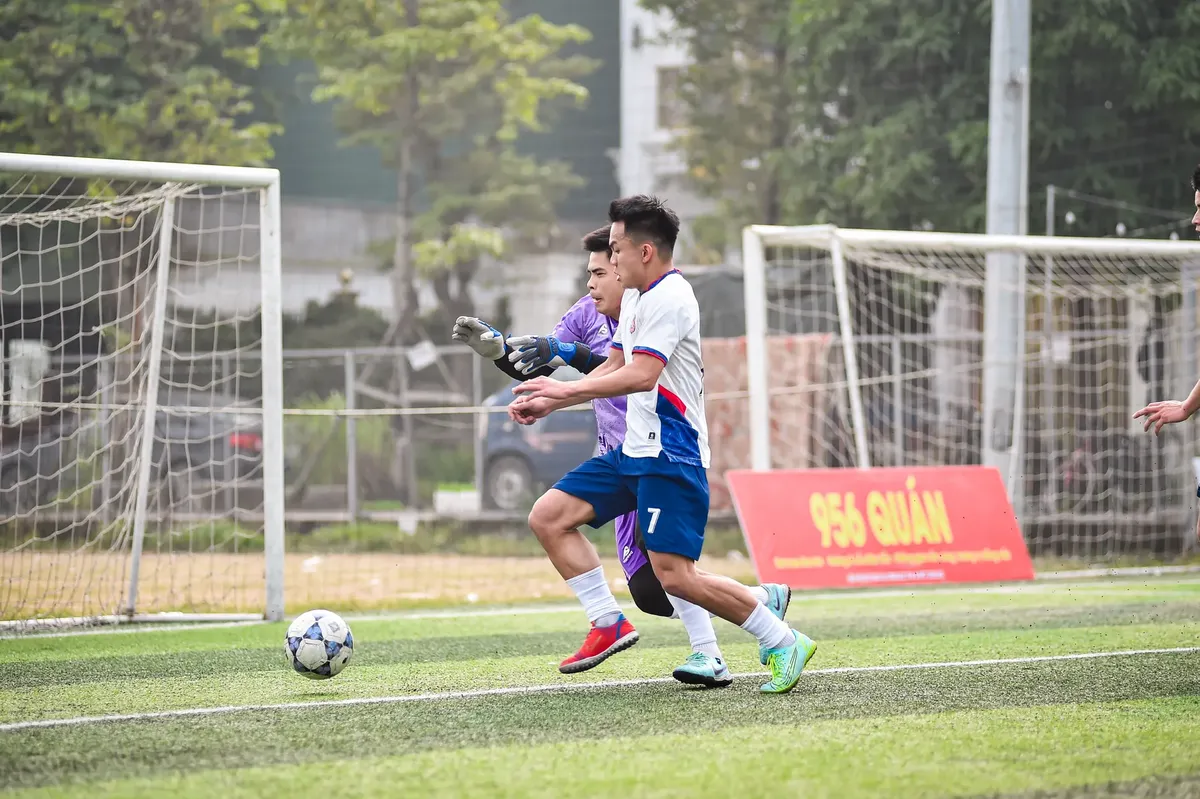
The ability to transition from a defensive posture to an attacking one is what separates champions from runners-up. A midfield that can win the ball and immediately launch a precise forward pass can catch an opponent off guard before they can reorganize.
What role does the attacking line play in breaking the deadlock?
An attacker wipes sweat from their forehead, eyes fixed on the goal at the far end of the pitch. The wind picks up slightly, tugging at their jersey as they prepare for the first whistle. There is a sense of anticipation, a feeling that the first goal will change everything.
The attacking line serves as the primary tool for converting tactical dominance into actual goals. While the midfield controls the flow, the attackers are responsible for the clinical execution required to break through organized defenses.
| Tactical Element | Primary Objective | Impact on Match |
|---|---|---|
| Wing Play | Stretching the defense | Creates gaps in the middle |
| Central Striker | Finishing opportunities | Directly impacts the scoreboard |
| Second Striker | Linking midfield to attack | Increases attacking fluidity |
The width provided by wingers is essential for stretching the opponent's defensive line horizontally. When the defense is stretched, it creates vertical gaps that central attackers can exploit through through-balls or late runs into the box.
However, an over-reliance on the attacking line can lead to isolation. If the attackers are too far forward without support, they may struggle to hold up the ball, leading to a loss of possession and immediate counter-attacks against their own team.
How does defensive organization prevent late-game collapses?
The defender crouches low, eyes tracking the movement of the opposing striker. The stadium is loud now, a wall of sound that makes communication difficult. Every movement is a reaction to the subtle shifts in the opponent's positioning.
Defensive organization is the foundation upon which all attacking success is built. Without a stable backline, any tactical advantage gained in the midfield can be instantly negated by a single breakthrough.
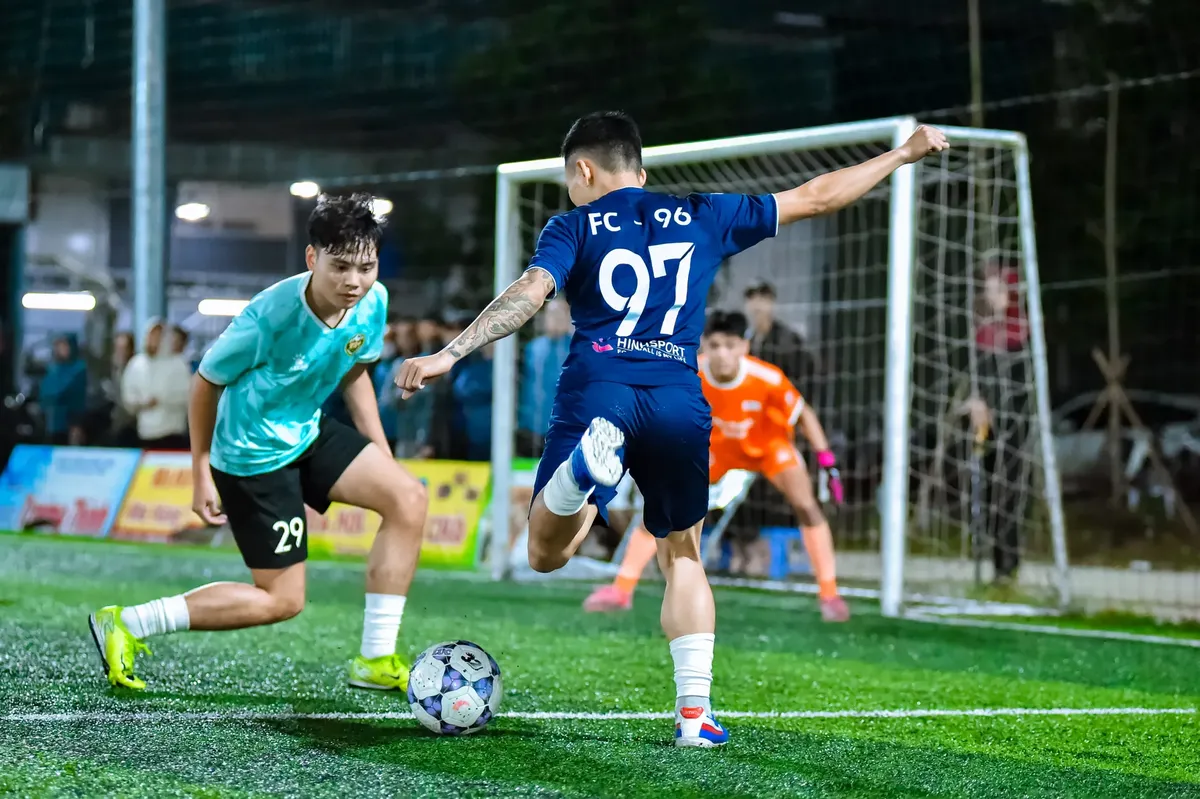
The team must maintain a cohesive line to manage the offside trap and ensure that space is not left between the defenders and the midfield. If the gap becomes too large, attacking players from the opposition can slip through easily.
* Maintain a disciplined line to control the depth of the pitch. * Communicate constantly to ensure lateral coverage is seamless. * Ensure the defensive midfielder provides a screen for the back four. * React quickly to second-ball situations following crosses or shots.
A disciplined defense requires mental toughness, especially when under sustained pressure toward the end of the match. As fatigue sets in, the tendency to lose focus on marking or positioning increases, which is often when goals are conceded.
This level of organization is not just about stopping goals; it is about providing the stability that allows the creative players to take risks. When the defense is secure, the rest of the team can play with more freedom.
Is the tactical plan sustainable for the entire match?
The coach stands on the touchline, clipboard in hand, watching the clock tick toward the second half. The players look toward the bench, seeking cues for the next phase of the game. The physical toll of the match is starting to show in their heavy breathing.
According to the East Asian Football Federation, Guam participated in the qualifiers for the inaugural 2003 East Asian Football Championship.
A major challenge in any final is the sustainability of the tactical plan over ninety minutes of high-intensity play. A strategy that works well in the first twenty minutes may become a liability as players tire or as the opponent adjusts their tactics.
The coaching staff must have "Plan B" ready to go. If the initial pressing-heavy approach exhausts the players too quickly, they may need to shift to a more conservative, counter-attacking style to preserve energy for the final stages of the match.
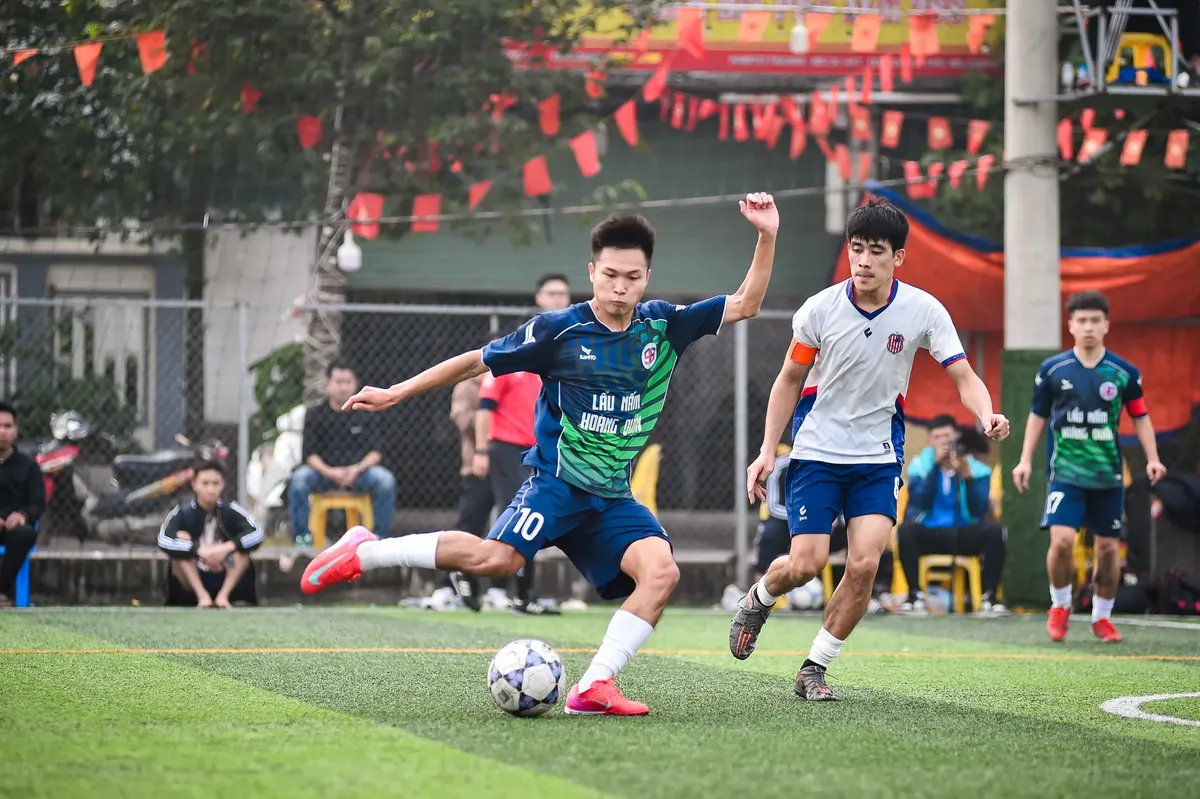
One limitation of any complex tactical plan is that it requires high levels of physical conditioning and mental focus. If the players cannot maintain the required intensity, the structure will inevitably break down, leaving them vulnerable to more organized opponents.
Ultimately, the ability to adapt is what defines a winning team. Success will go to the side that can most effectively manage its energy reserves while still executing the fundamental requirements of their tactical identity.
When I tried the steps in order, the second one is where I paused longest.
The composition of the squad is a fundamental factor in how the team executes its tactical identity over ninety minutes of play.
Because these tournaments often involve specific age requirements or roster limitations, the balance between experienced leaders and energetic youngsters is vital for maintaining tactical cohesion.
Related

Comments 0