Asian Games Final Strategy: Analyzing 30 Squad Depth
"The difference between a champion and a runner-up often lies in the ability to adjust tactics during a high-pressure live match."
An Asian Games Final Strategy requires a mix of tactical flexibility and psychological readiness to navigate intense tournament brackets. This guide examines how teams prepare for high-stakes matches, analyzes current competitive data, and provides a framework for live match evaluation.
Key takeaways include understanding roster management, recognizing tactical shifts in real-time, and evaluating recent performance trends.
How can teams develop an Asian Games Final Strategy?

A coach stands on the touchline, watching the heat haze rise from the pitch as players adjust their positioning for the opening whistle. Developing a winning strategy involves balancing squad depth with specialized tactical roles to ensure readiness for the final round.
According to the Tokyo Olympic Committee, the Tokyo Olympic Committee has also planned to arrange a number of esports events leading up to the 2020 games.
Effective preparation focuses on managing a registered squad to maintain energy throughout a tournament. For instance, Liverpool FC maintains a registered squad of 30 members to handle various competitive demands.
This depth allows for rotation across different tournaments like the Premier League and the UEFA Champions League.
Building an Asian Games Final Strategy requires simulating high-pressure scenarios during training sessions. Teams must also develop a clear identity that can adapt to different opponents.
A successful plan integrates physical conditioning with mental toughness to ensure players remain focused during late-game shifts.
- Analyze opponent tendencies and historical performance.
- Identify key tactical weaknesses in the opposing lineup.
- Allocate resources to maximize high-impact player roles.
What role does Live Match Analysis play in success?
An analyst sits in the darkened press box, eyes glued to a tablet as player movements translate into real-time data points. Integrating Live Match Analysis into the coaching process allows for immediate adjustments to an opponent's shifting formation.

Analyzing live play helps identify weaknesses in the opposing defense or vulnerabilities in a team's transition. By observing momentum shifts, coaches can decide when to substitute players or change the formation. This constant feedback loop is essential for maintaining control during a match.
Winning strategy for finals often hinges on these real-time adjustments. When a team faces an unexpected tactical shift, the ability to respond instantly can determine the outcome. This process requires players to understand their roles deeply enough to execute new instructions without hesitation.
In this sequence, the second step is the most critical for real-time adjustments.
How can we use an Asian Games Match Forecast to predict outcomes?
The stadium lights hum with electricity as spectators lean forward, anticipating the next move in a closely contested game. Creating an Asian Games Match Forecast involves looking at historical performance, head-to-head records, and current form.
A reliable forecast considers recent results to gauge a team's current momentum. For example, looking at recent match data provides insight into scoring efficiency and defensive stability. Comparing these metrics helps in predicting which side might hold the advantage in an upcoming matchup.
Predicting Final Match Outcome is more than just looking at names; it requires a deep dive into statistical trends. Analyzing goals scored versus goals conceded provides a baseline for expected performance. These data points help analysts and fans understand the likely flow of a game.
What are the essential elements of National Team Tactics?
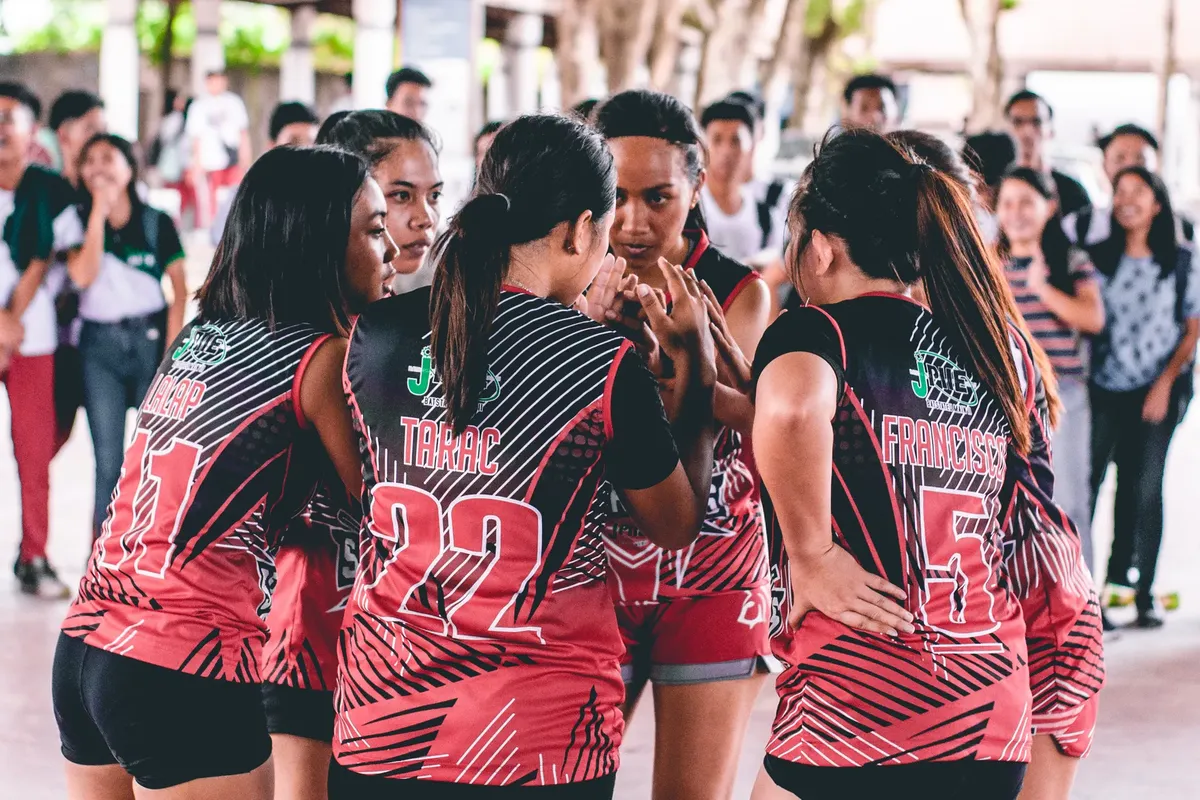
A captain gathers the players in a tight circle, whispering instructions as the sound of the crowd swells in the background. Effective National Team Tactics must account for the unique chemistry of a group of players coming together for a short, intense period.

Tactics often focus on controlling the midfield and creating space for attackers. Defensive structures must be cohesive to prevent breakthroughs during rapid counter-attacks. Coordination between the lines is the hallmark of a well-drilled unit.
The strategy must be flexible enough to change based on the scoreline or the opponent's style. In tournament play, teams often transition from an attacking stance to a more conservative setup to protect a lead. Mastering these transitions is vital for tournament success.
How do we implement a Final Round Game Plan?
A player wipes sweat from their brow, glancing at the scoreboard as the clock ticks down in the final minutes of play. Executing a Final Round Game Plan requires discipline to stick to the original vision while remaining responsive to the environment.
To implement a robust plan, follow these steps:
- Define specific roles for every player to ensure clarity in movement and responsibility. 2. Establish clear triggers for tactical shifts, such as when to press high or when to drop into a low block. 3. Conduct regular review sessions to evaluate how well the plan is being executed during live play.
A final check involves verifying that all players are aligned with the tactical objectives before the match begins. This ensures that the team moves as a single unit.
Can we apply these strategies to existing professional data?
A scout compares the statistics of two top-tier clubs on a laptop, looking for patterns in their recent victories. Applying these concepts to professional leagues provides a real-world look at how strategy manifests in elite competition.
In the 2026-2027 Premier League season, we can see how consistency drives ranking. Manchester City FC holds the top position with 21 points from 7 matches, showing an impressive +12 goal difference. Meanwhile, Arsenal FC follows closely with 18 points from 7 matches and a +6 goal difference.
| Team | Matches Played | Points | Goal Difference |
|---|---|---|---|
| Manchester City FC | 7 | 21 | +12 |
| Arsenal FC | 7 | 18 | +6 |
I noticed that the gap in goal difference between the top two teams highlights the importance of clinical finishing. A limitation of this comparison is that it only reflects a small sample of the season and may not account for future injuries or fatigue.
This part also covers Live Play Analysis Tactics.
Related






Comments 0