What 40 percent role did management play in development?
Building a competitive national squad requires navigating complex heritage rules and logistical shifts. This analysis explores the historical regulations and management changes that shaped the team's structure. Key takeaways include the impact of the 60-40 rule on player selection, the role of management in team development, and the strategic movement of home venues to maximize fan engagement.
How did heritage rules shape the team?
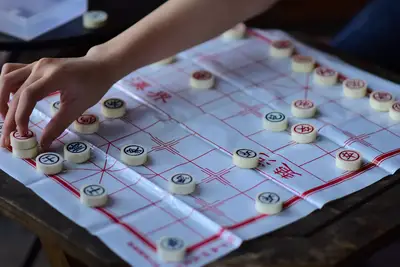
A group of officials sits around a wooden table, reviewing a stack of documents regarding player eligibility. The weight of history lies in the specific percentages allowed for foreign-born players.

The Philippine Congress passed Republic Act 3135, which revised the charter of the Philippine Amateur Athletic Federation. This legislation included a 60-40 rule, a provision that mandated teams to not have more than 40 percent Chinese and other players with foreign blood.
This regulation directly influenced how the squad was built and maintained over decades.
The legacy of these rules created a specific framework for recruitment. National team hopes and challenges were often defined by how well coaches could balance local talent with heritage players.
This balance was essential for maintaining a cohesive identity while remaining competitive on the international stage.
What role did management play in development? Korea team expectations and tasks
A manager walks through a training facility, observing the tactical drills and player interactions. The shift in leadership often signals a change in the team's strategic direction.
In 2009, Dan Palami, a businessman and sports patron, was appointed as team manager of the national team by the Philippine Football Federation. His appointment marked a significant era in the management of the squad.
Under this leadership, the team sought to professionalize its operations and improve its standing.
The management's influence extended beyond the pitch to the very identity of the team. The Azkals name would be adopted by an independent 7-a-side club in 2024, competing in the 7's Football League and led by Palami and former national team players.
This move showed how leadership can bridge the gap between professional management and club-level competition.
How were venue decisions made?
An empty stadium sits under a bright sun, waiting for the arrival of a passionate crowd. The decision to move matches involves analyzing attendance data and regional interest.
The Philippine Football Federation decided to make Panaad Stadium the national team's home again for the 2019 AFC Asian Cup qualifiers. This decision was driven by disappointing attendance numbers in PSS and RMS, contrasted with an impressive crowd seen during the 2017 AFC Cup run by Ceres–Negros.
Moving the venue was a tactical move to ensure high engagement.

Choosing a home field is a matter of balancing logistics with fan accessibility. The Korean squad outlook and duties often involve finding the right atmosphere to support the players.
By moving to venues like Panaad Stadium, the federation aimed to recapture the energy seen in previous successful tournament runs.
What were the challenges of regional play?
A player wipes sweat from their forehead while looking out at a field in a distant province. Traveling across an archipelago presents unique logistical hurdles for any national team.
The team has held official international matches at various locations, including the Cebu City Sports Center in Cebu City and the Barotac Nuevo Plaza Field in Barotac Nuevo, Iloilo. These diverse locations reflect the geographic challenges of hosting a national team.
Managing such a wide range of facilities requires significant coordination.
The Korean team expectations and implies a need for consistent training environments. Different field conditions and travel requirements can affect player performance. Addressing these regional needs is a constant part of the team's duties.
How do player call-ups work?
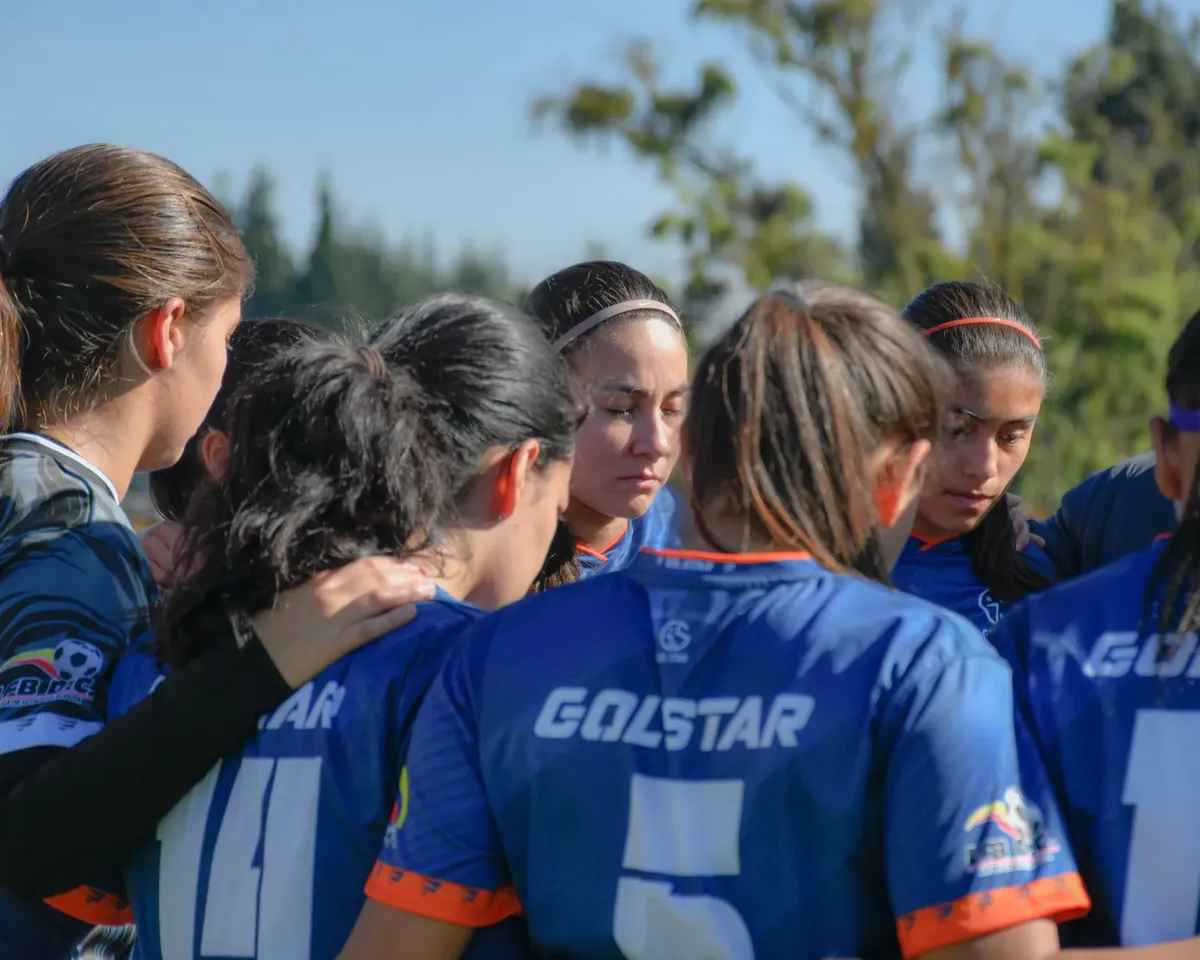
A coach holds a clipboard, checking names against a list of available athletes. The selection process is a constant cycle of evaluation and recruitment.
The following players have been called up for the Philippines within the past 12 months. This cycle ensures that the squad remains fresh and that new talent is integrated into the system. Regular call-ups are necessary to maintain a competitive edge.
The selection process must account for both current form and long-term potential. Team goals and hurdles Korea face often involve integrating youth into a veteran-heavy squad. Maintaining this pipeline is vital for sustained success.
What are the limitations of these strategies?
A scout looks at a player through binoculars, noting their movement on a distant field. Every strategy has its boundaries, especially when dealing with limited resources.
One limitation is that regional venue changes can disrupt player consistency due to varying field qualities. While moving to Panaad Stadium helped with attendance, it also required adapting to new environments.
| Factor | Impact |
|---|---|
| Attendance Shifts | Influenced venue selection |
| Heritage Rules | Dictated player composition |
I observed how these shifts in venue and rules required constant adaptation from the players.
Wikipedia: Philippines national football team (full) Based on the retained excerpt mentioning Philippine Amateur Athletic Federation: The Philippine Congress passed Republic Act 3135 that revised the charter of the Philippine Amateur Athletic Federation, which had a provision, or a 60-40 rule, that mandated teams to not have more than 40 percent Chinese and other players with foreign blood.
The subject here is Korea team expectations and tasks.
The same subject is also called National squad strategic needs.
This part also covers Analyzing team strategy for success.
This part also covers Player performance and team tactics.
This part also covers Future path for Korean squad.
Analyzing team strategy for success
Related
- Asian Games final strategy: Guide to team success tips
- Strategy Guide: Korea Can Win Asian Games Football Gold 7



Comments 0