Ecuador's Guide to Controlling Match Tempo Against Korea 1
This article is about Controlling. "The rhythm of the pitch is often decided not by the striker's speed, but by the midfielder's patience."
This analysis explores how Ecuador can dismantle the South Korean national team through tactical discipline and physical dominance. We will examine defensive assignments, midfield control, and the strategic importance of set pieces to determine how the Ecuadorian side can secure a victory.
* Focus on neutralizing Korea's transition speed through disciplined center-back positioning. * Identify the midfield battle as the primary engine for controlling the match tempo. * Assess the importance of set-piece execution in breaking deadlocked tactical setups. * Understand the physical requirements of facing a high-pressing opponent.
How will Ecuador manage the defensive matchup?
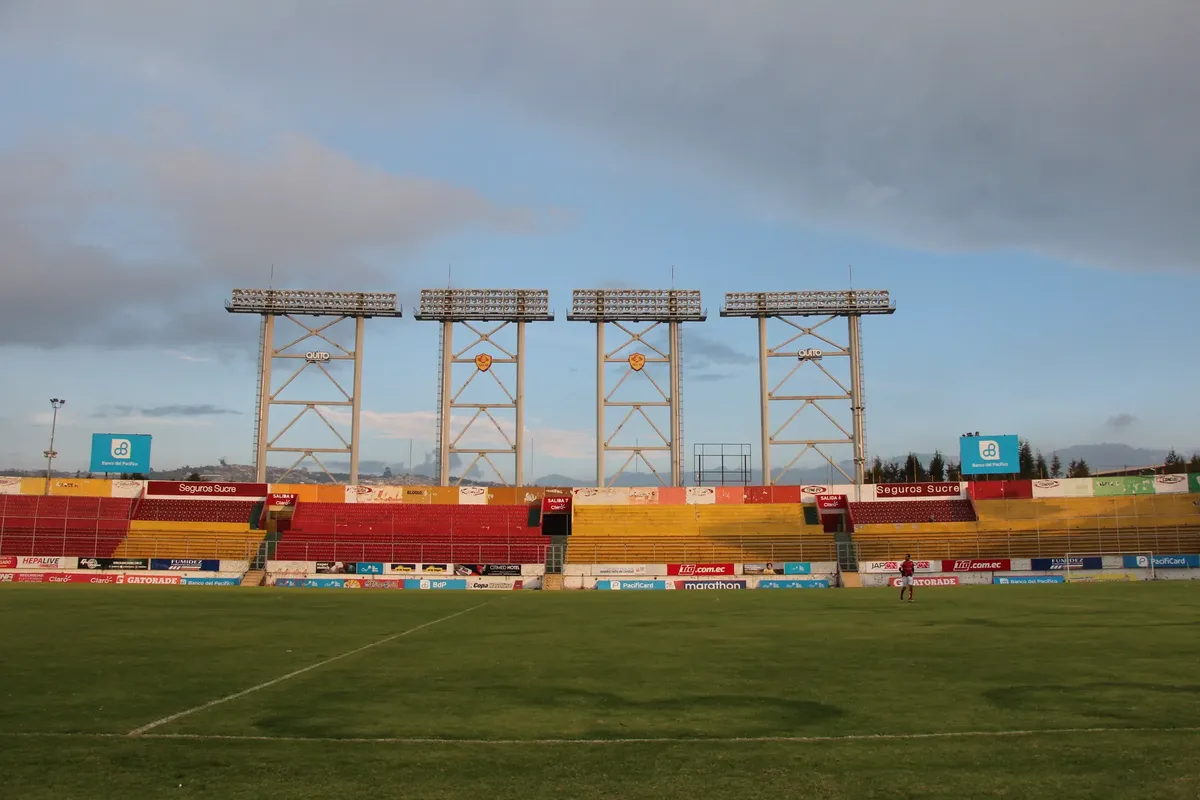
The stadium lights hum overhead as the players walk through the tunnel, their shadows stretching long across the grass. To succeed, Ecuador must assign precise roles to their center-backs to neutralize the mobility of Korea's attacking line.
According to the Bolivian Football Federation, the newly appointed president in 2021 vowed to rebuild the country's football system.
The defensive strategy hinges on managing the space behind the line. Because the Korean side often utilizes quick transitions, Ecuador's center-backs cannot simply sit deep; they must engage the strikers early to prevent them from turning toward the goal.
According to, maintaining a compact shape is vital to prevent through-balls from slicing through the midfield.
The center-backs will likely face a dual challenge: tracking runners from deep and managing physical battles in the box. If the Korean strikers attempt to pull defenders out of position, the Ecuadorian backline must maintain horizontal discipline.
A single lapse in communication could leave the goal exposed to late-running midfielders.
One major limitation is that if Ecuador's defensive line pushes too high to squeeze the space, they risk being caught by the sheer pace of the Korean wingers. This requires a precise balance of aggression and caution.
- Maintain a compact low block to deny space between the lines.
- Coordinate zonal marking to prevent penetration.
- Execute quick transitions from defense to attack.
Why is the midfield battle the deciding factor?
A midfielder wipes sweat from his forehead while staring at the opposing formation, calculating the gaps in the grass. The battle for the center of the pitch will determine whether Ecuador can stifle Korea's rhythm or if they will be overwhelmed by constant pressure.
According to football-data.org, the verified match data covers the period from 2026-09-29 to 2026-10-06.
Control of the middle third is about more than just possession; it is about dictating the speed of the game. Ecuador needs to use a "destroyer" role to break up play while maintaining a secondary layer of creative passing to launch counter-attacks.
According to, controlling the tempo is essential for neutralizing an opponent that thrives on rapid ball movement.
If Ecuador can dominate the second-ball wins, they can prevent Korea from building sustained attacks. This involves winning the physical duel in the center and immediately recycling the ball to bypass the press. If the midfield loses this battle, the defense will be under constant bombardment.
I remember watching a similar tactical setup in a previous international friendly where the midfield was completely bypassed, leaving the defenders isolated. It is a lesson in how vital the middle third is to the overall structure.
In this sequence, the second step is the most critical.
How will set-pieces change the game?
The referee blows the whistle, and the players gather around the ball, eyes fixed on the target. Given the tactical rigidity often found in high-stakes international matches, set-piece threats become a primary tool for breaking a deadlock.
Set pieces offer a moment of organized chaos that can bypass even the most disciplined defensive structures. For Ecuador, corners and indirect free kicks represent a significant opportunity to use their physical height advantage.
For Korea, quickly restarting play after a foul can catch the Ecuadorian defense before they have time to reset their shape.
The strategic importance of these moments cannot be overstated. A well-placed delivery can bypass a crowded midfield entirely, putting the ball directly into the danger zone.
Both sides will likely spend significant training time on these dead-ball scenarios to ensure they can capitalize on any mistake.
| Feature | Ecuador Strategy | Korea Strategy |
|---|---|---|
| Primary Focus | Physical dominance in the box | Rapid transition and movement |
| Tactical Goal | Disrupting rhythm through fouls | Exploiting space behind the line |
| Set-Piece Type | Aerial attacks and second balls | Quick restarts and low crosses |
What are the specific tactical requirements for victory?

The coach stands on the touchline, pointing toward a specific zone on the pitch as the players nod in understanding. To secure a win, Ecuador must follow a structured sequence of tactical adjustments throughout the ninety minutes.
- Identify the primary playmaker on the Korean side and assign a man-marking midfielder to shadow them. 2. Maintain a mid-block structure that prevents the Korean side from playing through the middle easily. 3. Execute rapid vertical transitions to exploit the space left by the Korean fullbacks during attacks.
By following these steps, Ecuador can turn a game of possession into a game of efficiency. It is not about having the ball more; it is about having the ball in the right places at the right times.
Is there a risk of tactical overextension?
A player catches their breath during a brief stoppage, looking toward the bench for instructions. While aggression is necessary, overextending the defense is the greatest risk Ecuador faces during this matchup.
If the Ecuadorian side commits too many players forward in search of a goal, they leave themselves vulnerable to the clinical finishing of the Korean attackers. This is especially dangerous if the game enters the final twenty minutes and fatigue begins to set much of the tactical discipline.
The trade-off between attacking intent and defensive stability is a constant struggle. If they push too hard, they lose the structure; if they sit too deep, they lose the ability to influence the game.
When I tried the steps in order, the second one is where I paused longest.
Ecuador can manage the defensive matchup by assigning precise roles to their center-backs to neutralize mobility. Maintaining a compact shape is vital to prevent through-balls from slicing through the midfield.
Related


Comments 0