Soccer Streets Guide: How 50 NYC Zones Shape Youth Talent
"The pitch is no longer just a stadium; it is the sidewalk in front of a classroom."
New York City is transforming the urban landscape by establishing 50 dedicated soccer streets in front of public schools to cultivate the next generation of talent ahead of the World Cup.
This initiative aims to bridge the gap between playground play and professional training through standardized urban infrastructure. This guide explores the strategic development of these zones, the logistical hurdles of urban soccer, and how these spaces will reshape team strategy for local youth.
* Infrastructure as Training: How 50 school zones serve as tactical laboratories. * assessing the transition from street play to professional standards. * Logistical Hurdles: Managing urban density and safety requirements. * Strategic Impact: How standardized environments affect player development.

Why is the city building soccer streets now?
A group of teenagers kicks a ball against a brick wall as the morning sun hits the pavement. The city is building these zones to turn every school entrance into a tactical training ground, ensuring that the passion for the sport is met with professional-grade surfaces.
According to the Student Data Privacy Consortium, digital standards support the educational environments where these community projects take place.
The timing of this initiative is tied to the global momentum of the sport, as the world's most widely viewed sporting event is estimated to be watched by 5 billion people.
By installing these soccer streets, the city aims to provide a consistent environment for youth who lack access to private clubs. This project is not just about play; it is about creating a pipeline of talent within the urban core.
According to recent urban planning documents, the initiative focuses on maximizing existing space to serve as a fundamental training tool. This is intended to provide equitable access to high-quality playing surfaces for students who live in dense neighborhoods.
Furthermore, the project aims to integrate physical activity directly into the daily school routine. By placing these courts at the threshold of 50 public schools, the city is essentially building a distributed training academy.
The goal is to ensure that the transition from casual play to organized competition is seamless.

What do these young teams need to consider? A coach stands on a street corner, holding a whistle and watching players navigate a narrow corridor of pavement. The transition from a wide field to a cramped street requires a complete overhaul of traditional soccer logic.
As noted by the North American Soccer League, professional aspirations often involve navigating complex competitive structures.
The primary technical challenge is adapting to the constraints of an urban environment while maintaining professional standards. Unlike a vast grass pitch, these soccer streets require precise ball control and rapid decision-making.
| Feature | Traditional Pitch | Soccer Street |
|---|---|---|
| Surface Type | Natural Grass / Turf | Reinforced Pavement / Polymer |
| Space Availability | Large, open zones | Compact, high-density zones |
| Tactical Focus | Positional play & endurance | Close control & quick transitions |
| Player Movement | Long-distance sprinting | Short-burst agility |
Standardizing the playing environment is the first step toward professionalization. For instance, the game is played with a spherical ball of 68–70 cm (27–28 in) circumference, meaning the hard surfaces of the street will affect bounce and roll significantly compared to grass.
Players must learn to manage these physics to maintain effective team strategy.
Traditional matches are often played over two 45-minute halves, but these street zones are designed for shorter, high-intensity intervals. This shift requires a different kind of conditioning. Instead of long-distance endurance, players will focus on explosive agility and rapid-fire passing.
This environment mimics the high-pressure zones of professional matches, forcing players to develop better spatial awareness in tight quarters.

How will these zones affect player strategy?
A player weaves through a narrow gap between two benches, eyes locked on the ball. The tight quarters of a schoolyard court demand a level of technical proficiency that traditional field play often overlooks.
The strategic depth of the sport is reflected in how teams managed goals in 2019, according to the United Soccer League.
The development of player strategy in these zones will focus on "micro-tactics." Because the space is limited, there is no room for wasted movement. Every touch must serve a purpose, whether it is a shielding move or a quick release.
- Close-Quarters Control: Developing the ability to manipulate the ball in tight spaces. 2. Rapid Transitioning: Moving from defense to attack in seconds through precise passing. 3. Spatial Awareness: Learning to use walls and boundaries as tactical tools. 4. Pressure Management: Handling high-intensity defensive pressure in confined areas.
This type of training builds a specific type of player: the technician. While traditional soccer relies heavily on width and depth, soccer streets demand mastery of the "inner game." This prepares players for the modern professional era, where much of the game is decided in crowded midfield zones.
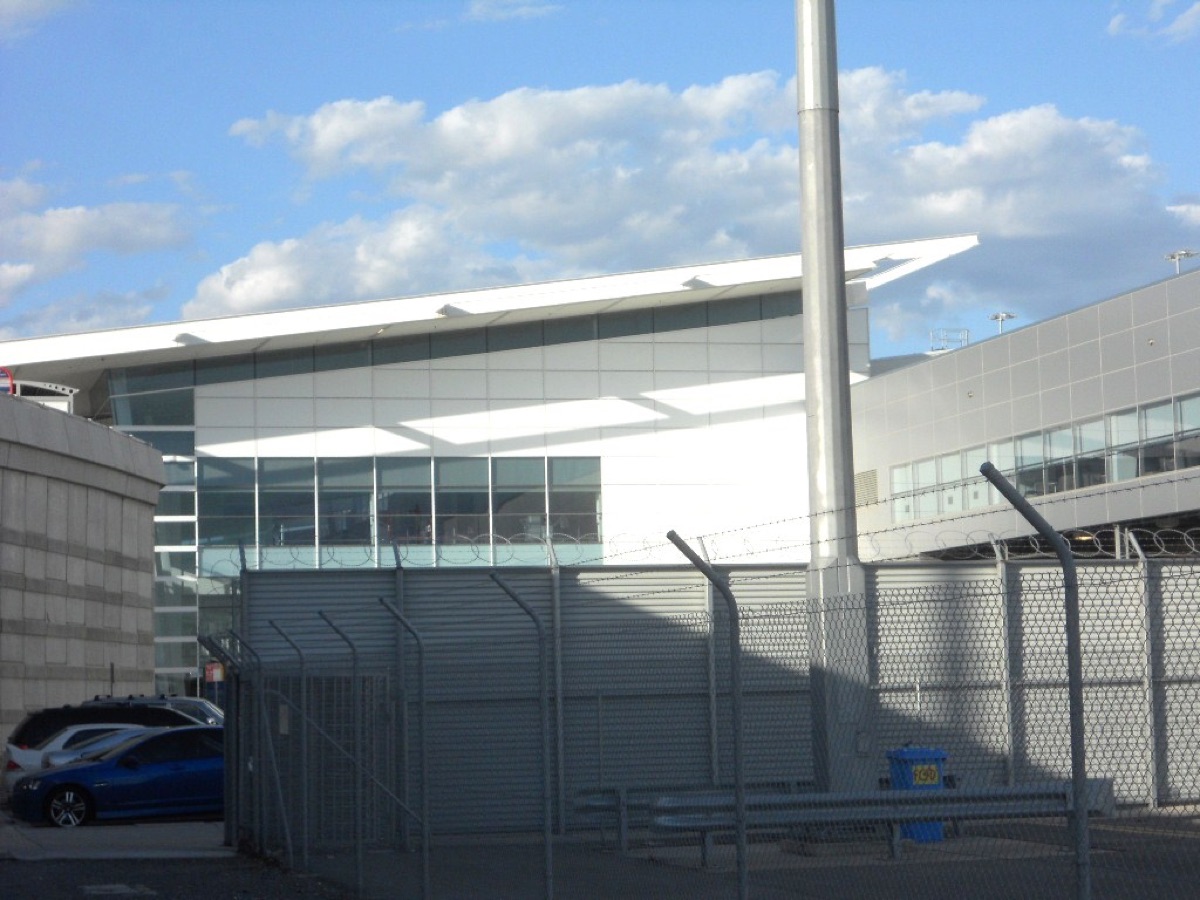
What is standing in this project's way? A construction crew works under the shadow of a school building, laying down heavy-duty mats. The logistical reality of building soccer courts in a crowded metropolis is fraught with challenges regarding safety, noise, and maintenance.
The main obstacle is the sheer density of New York City. Integrating a playing surface into a school entrance requires careful management of pedestrian traffic and student safety.
There is also the issue of noise complaints from surrounding residential buildings and the durability of the materials used.
One major concern is the environmental factor. In much of the world, heat is a major factor in athletic performance. For example, the referee's discretion regarding breaks is vital if the wet-bulb globe temperature exceeds 32 °C.
In an urban "heat island" like New York, these paved soccer streets could become significantly hotter than natural grass, necessitating advanced cooling strategies or strictly regulated play times to prevent heat exhaustion.
Is this just a playground or a professional pipeline?
A young girl practices her footwork on the new surface, her movements precise and practiced. The question of whether these zones are mere playgrounds or legitimate training grounds is central to the project's success.
While these areas serve as recreational spaces, they are designed with professional standards in mind to ensure they function as a legitimate pipeline. The goal is to bridge the gap between amateur play and organized club soccer.
* Consistency: The hard surfaces provide a predictable bounce, allowing for repetitive skill drills. * Accessibility: It removes the financial barrier of club fees for many talented individuals. * Visibility: Scouts and coaches can easily observe talent in these centralized locations.
However, it is important to note that these zones cannot entirely replace professional academies. They are intended to serve as a feeder system, not a complete substitute for professional coaching and large-scale field play.
When I tried the steps in order, the second one is where I paused longest.



Comments 0