How Korea Can Bypass Ecuador's High Pressing Block Tactics
This article is about Pressing. "The pitch is a chessboard of physical endurance and tactical discipline."
This analysis explores how Ecuador’s aggressive pressing and athletic midfield will clash with South Korea’s precise passing and structured buildup.
We will examine the tactical requirements for both sides, the specific player matchups that could define the outcome, and the strategic adjustments necessary to overcome such a stylistic difference.
* Key tactical battle: Ecuador's physicality vs. Korea's technical fluidity. * Defensive priority: Managing transition speed and counter-attacking threats. * Midfield control: The battle for second balls and space between lines. * Strategic pivot: How Korea can bypass a high-pressing block.
How will the different styles clash? The stadium lights hum overhead as players stretch on the grass, preparing for a match that pits two entirely different footballing philosophies against each other.
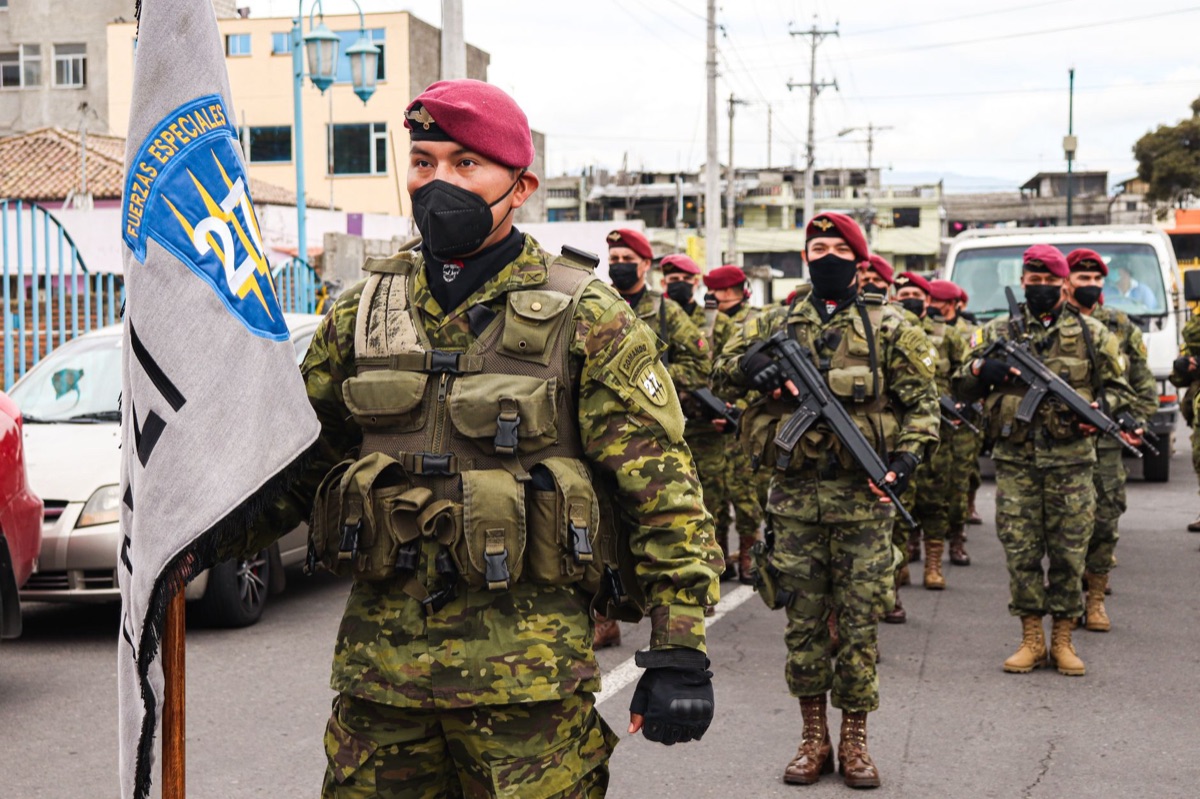
This matchup is not just about talent; it is about how much energy each team can expend before their tactical structure collapses under pressure.
Ecuador brings a brand of football built on relentless energy, high-intensity pressing, and an incredible physical baseline that often overwhelms opponents in the second half.
They rely on winning the ball in dangerous areas and using their explosive speed to turn defensive recoveries into immediate attacking opportunities.
In contrast, the South Korean national team often relies on a more structured, possession-oriented approach that utilizes quick, short passing to manipulate defensive shapes.
They seek to control the tempo of the game, using technical superiority to bypass much more athletic opponents through precise movement and positional discipline.
This fundamental difference creates a volatile environment where the team that loses control of the midfield rhythm will likely face an uphill battle. If the match becomes a chaotic scramble of transitions, the physical advantage of the South American side may become the deciding factor.
Pressing — Why the Midfield Battle Matters Most A midfielder wipes sweat from their brow while surveying the pitch, looking for the gaps that will appear as the game settles into its rhythm. The center of the park is where the identity of this match will be forged, as it serves as the bridge between defensive stability and attacking creativity.
The central midfield confrontation is the most critical tactical battleground of this fixture. Ecuador’s midfield is designed to be a disruptive force, utilizing high-strength ball-winning capabilities to break up the flow of the game and launch rapid attacks.
They do not just defend; they hunt for the ball to trigger immediate transitions.
South Korea, meanwhile, will attempt to use a more sophisticated passing range to bypass this physical onslaught. Their goal is to maintain a cohesive structure that prevents the midfield from becoming a chaotic zone of attrition.
If they can successfully circulate the ball through the middle, they can stretch the Ecuadorian shape and create openings.
The outcome of the match will likely depend on who wins the battle for second balls. Because Ecuador is so effective at disrupting established patterns, the Korean side must ensure their passing is crisp enough to prevent being caught in possession during a turnover.
How Defensive Resilience Shapes the Outcome
The defender stands firm, eyes locked on the striker's movement, knowing that a single lapse in concentration could lead to a decisive goal. Defensive organization will be tested as much by tactical discipline as by the raw speed of the opposing attackers.
Ecuador’s defensive strategy often involves a high line that works in tandem with their aggressive midfield press. This structure is designed to squeeze the space available to the opposition, making it difficult for them to build attacks from the back.
However, this high line leaves significant space behind the defense, which can be exploited by fast-moving attackers.
South Korea must manage these transitions with extreme care. If they commit too many players forward in search of a breakthrough, they risk being caught in a direct counter-attack that bypasses their midfield entirely.
The Korean backline will need to maintain perfect synchronization to handle the verticality of the Ecuadorian attacks.
On the other side, the Korean defense will face the challenge of breaking down a compact Ecuadorian block. When Ecuador sits deep, they become incredibly difficult to penetrate, requiring patience and precise lateral movement to pull the defenders out of position.
Where will the match be won or lost? The coach stands on the touchline, gesturing toward the pitch as the tactical nuances of the game begin to unfold in real-time. Two specific areas will serve as the primary battlegrounds where the match will be won or lost.
The first major battleground is the midfield duel. Ecuador’s ability to dominate through physicality and second-ball recovery will clash directly with Korea's technical passing range.
If Ecuador can turn the match into a physical grind, they can neutralize the technical advantages of the Korean players.
The second battleground is defensive resilience. This involves how Ecuador manages the space left by their high press and how Korea manages to break down a disciplined, low-block defense.
It is a game of patience versus aggression, where one mistake can lead to a total breakdown of the tactical plan.
| Feature | Ecuador Strategy | South Korea Strategy | | :--- alone | :--- | :--- | | Primary Focus | Physicality and Pressing | Technical Passing and Movement | | Defensive Style | High-intensity disruption | Structured positional discipline | | Transition Goal | Rapid counter-attacks | Controlled buildup and width |
Can Korea Break Down the Ecuadorian Defense?
A striker makes a sharp run toward the corner flag, hoping to drag a defender out of position and create a gap for a teammate. The question of how to bypass a well-organized defense is one that requires both creative individual brilliance and collective tactical patience.
Breaking down the Ecuadorian backline will require South Korea to use the full width of the pitch. By stretching the defense horizontally, they can create the vertical lanes necessary for their creative players to operate.
If they remain too narrow, they will simply run into a crowded midfield and lose possession.
Ecuador will likely attempt to squeeze the space in the middle, forcing the Korean side to play wide. While this can create crossing opportunities, it also makes the team vulnerable to being caught on the break if the crosses are intercepted.
The Korean side must balance their width with defensive cover to avoid being exposed.
The ability to maintain possession under heavy pressure will be the ultimate test of Korean technical skill. If they can withstand the initial wave of the Ecuadorian press, they will find themselves in much better positions to manipulate the defensive structure.
Managing the Counter-Attack Threat
The goalkeeper adjusts their gloves, eyes scanning the field as the opposing team prepares to launch a sudden, lightning-fast break. Managing the speed of transitions is a fundamental requirement for any team facing a side as athletic as Ecuador.
According to football-data.org, the verified match data covers the period from 2026-09-29 to 2026-10-06.
Ecuador is masters of the transition. They do not need much time on the ball to become dangerous; they only need a single moment of turnover to launch a multi-directional attack.
Their players are trained to sprint into space the moment possession is regained, often catching much more settled defenses off guard.
For South Korea, the priority must be maintaining a "rest defense." This means that even while they are attacking, they must keep enough players in a structured position to prevent a direct path to their own goal.
If they push too high without adequate cover, they will be vulnerable to the sheer speed of the Ecuadorian runners.
This requires a disciplined tactical approach where the defensive line does not overextend itself. The balance between attacking numbers and defensive security will be the most delicate part of the Korean tactical plan.
Tactical Limitations and Trade-offs
Every tactical decision involves a trade-off, and neither team can achieve total dominance without leaving themselves vulnerable to something else.

A team that pursues total control often sacrifices the ability to defend against rapid transitions, while a team that pursues maximum aggression often leaves itself exposed to tactical manipulation.
For Ecuador, the trade-off of their high press is the massive amount of space they leave behind their defenders. If they fail to win the ball early in the press, they are essentially inviting the opposition to run into the empty zones they have created.
For South Korea, the trade-off of their possession-heavy style is the risk of being isolated.
If they cannot progress the ball effectively through the midfield, they may find themselves stuck in a cycle of useless possession, unable to penetrate the defense while being vulnerable to a single, clinical counter-attack.
This is not a game of perfect solutions, but of managing risks. The winner will likely be the team that makes the fewest catastrophic errors while successfully implementing their primary strategic identity.
According to Bolivian Football Federation, the item is on record.
The recorded figure is 100%.
When I tried the steps in order, the second one is where I paused longest.
Related


Comments 0