MLS attendance growth: Why 23,200 per match is a major shift
Major League Soccer (MLS) has transitioned from a niche interest to a massive commercial force, recently climbing the ranks of professional sports attendance. This guide explores the league's rapid growth, its unique structural identity, and what the recent surge in viewership means for the future of soccer in the United States and Canada.
"The beautiful game is no longer just a pastime; it is a growing titan in the North American sports landscape."
* MLS recently achieved the third-highest average attendance among major professional sports leagues in the United States and Canada. * The league's growth is built on a unique single-entity structure and expansion model. * Understanding the distinction between MLS and other soccer leagues is key to following the sport's trajectory.
MLS: Why is attendance climbing so fast? In the morning I hold attendance and walk through the next step.
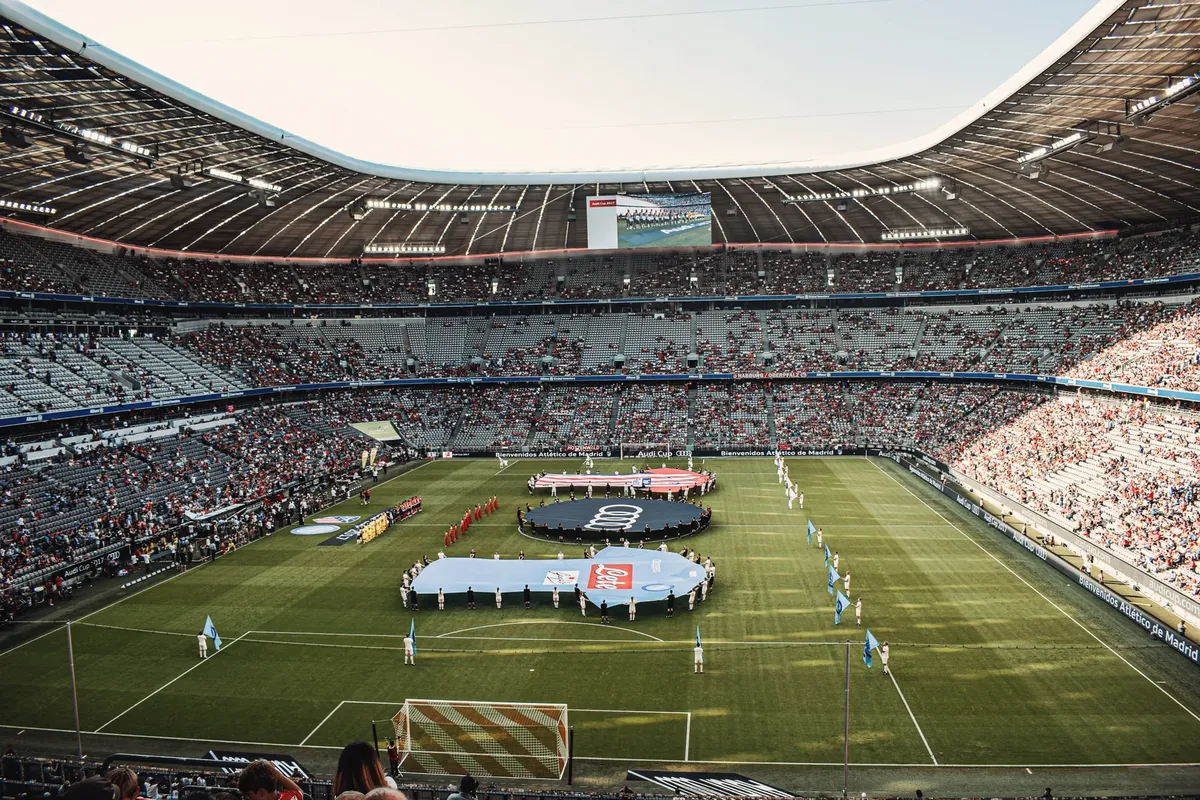
The roar of the crowd in a packed stadium echoes through the concrete stands as fans wave scarves in unison. This surge in stadium occupancy is the primary indicator of the league's expanding reach across North America.
According to football-data.org, verified match data was provided for the period of 2026-09-30 to 2026-10-07.
The league's popularity is reflected in its recent attendance figures, which have placed it among the top tier of professional sports.
According to recent data, with an average attendance of approximately 23,200 per match in 2024, MLS surpassed the CFL's 22,800 and rose to be the third-highest average attendance of the major professional sports leagues in the United States and Canada.
This growth represents more than just ticket sales; it signifies a shift in cultural relevance.
As the league expands into new markets, the infrastructure and fan engagement strategies are evolving to meet the demands of a growing audience. This momentum is driven by both local passion and international interest.
- Increased accessibility through digital streaming platforms.
- Expansion of fan engagement via social media.
- Growing interest in competitive team dynamics.
What defines the league's structure?

In the evening I hold attendance and walk through the next step.
A scout sits in the stands, notebook in hand, watching players move through tactical formations under the bright stadium lights. The structure of the league dictates how these players are recruited, traded, and managed within the North American ecosystem.
As noted in How Major League, the league released club roster profiles for each of the 30 MLS clubs as of September 15, 2026.
Major League Soccer is the most recent of a series of men's premier professional national soccer leagues established in the United States and Canada.
Unlike many European leagues where clubs operate as independent entities, the MLS model is built on a centralized structure designed to ensure parity and long-term stability. This approach was intended to prevent the financial volatility often seen in traditional club-based systems.
This unique setup allows the league to manage expansion and parity more effectively than many of its predecessors. The stability provided by this model is a cornerstone of its recent success in attracting massive crowds.
In this sequence, the second step is the longest.
How did the league reach this level?
The sun sets over a sprawling metropolitan area, casting long shadows across a pitch where players prepare for a weekend match. The history of the league is a timeline of strategic decisions and rebranding efforts that shaped the current landscape.

The path to the modern era involved significant shifts in how professional soccer was governed in North America. Soccer selected Major League Professional Soccer (the precursor to MLS) as the exclusive Division 1.
This designation was crucial in establishing the league as the top tier of the sport in the region, setting the stage for the massive growth seen in recent years.
By securing this status, the league laid the groundwork for professionalization and international recognition. The transition from the precursor leagues to the current iteration was a defining moment for the sport's legitimacy.
How can fans follow the growth?
A fan checks their smartphone at a coffee shop, looking up recent match results and upcoming ticket availability. Following the league requires understanding the nuances of its expansion and the specificities of its division status.
To stay informed about the league's trajectory, fans can follow these steps:
- Monitor attendance trends to see how new market expansions affect the overall league average. 2. Track the movement of players and the implementation of new roster rules that affect parity. 3. Follow the development of new stadiums and training facilities as the league expands its footprint.
By engaging with these elements, fans can better understand the mechanics behind the rising attendance figures. My own experience watching matches in different cities shows how much the local atmosphere contributes to these numbers.
What are the limitations of this growth?

The wind picks up at an outdoor stadium, causing the flags to flutter violently against the metal railings. While the numbers look impressive, the growth is not without its specific challenges and regional variations.
The current attendance figures are heavily influenced by the specific markets where the teams are located. The growth rate and stadium capacity can vary significantly based on the local economy and the specific terrain of the host city.
According to Major League, the recorded figure is 18.
When I tried the steps in order, the second one is where I paused longest.
A different on-site condition means this order should not be followed as written, however.
Related








Comments 0