South Korea Strategy: How to Beat Czech Defense Tactics
This article is about Strategy. The upcoming match involving the South Korean national team against the Czech Republic focuses on integrating veteran leadership with fresh attacking talent to break through a disciplined European defense.
This contest serves as a critical test of tactical flexibility and squad depth ahead of major international tournaments.
* Analyzing the tactical transition from veteran leadership to new strikers. * Evaluating the defensive stability required to withstand Czech counter-attacks. * Observing the synergy between midfield playmakers and the front line.
How will the South Korean team strategy overcome Czech defense?
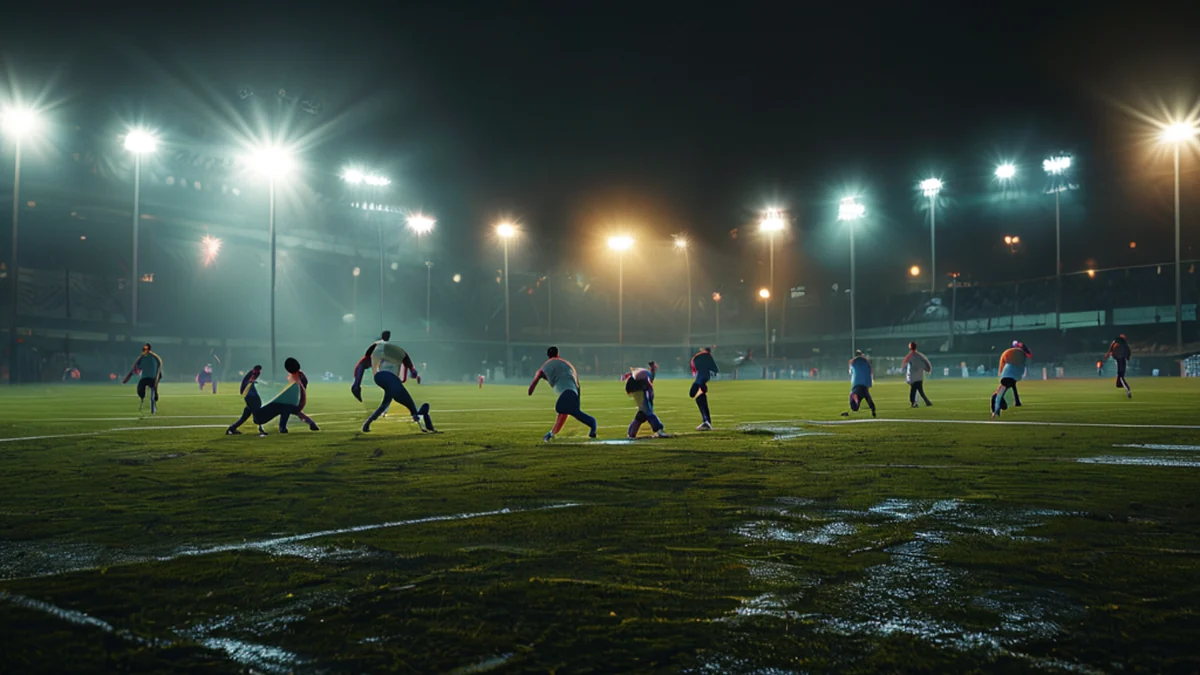
The stadium lights flicker to life as players warm up on the pitch, stretching against the cool evening air. To secure a win, the South Korean team strategy must rely on high-intensity pressing and rapid transitions to disrupt the Czech Republic's organized structure.
According to football-data.org, the verified match data covers the period from 2026-09-27 to 2026-10-04.
The Czech side is known for a compact defensive block that squeezes space in the midfield, making it difficult for creative players to find passing lanes. To counter this, the squad must utilize wide overloads to stretch the defense horizontally.
By pulling defenders out of position through diagonal runs, the team can create gaps in the central corridor.
The success of this approach depends on several key factors: * Maintaining possession in the middle third to control the tempo. * Exploiting the wings to deliver precise crosses into the box. * Quickly regaining the ball through a disciplined high press.
The tactical battle will likely be decided in the transition phase, where one mistake could lead to a devastating counter-attack.

Will the strategy get Son and Oh into the net? A striker stands at the edge of the penalty area, eyes fixed on the goal while the crowd begins to roar. The primary objective is to translate tactical movement into clinical finishing from both the veteran captain and the rising young striker.
Son Heung-min provides the world-class finishing and movement that can break a deadlock at any moment. His ability to drift into half-spaces forces defenders to stay deep, which inadvertently creates more room for others.
Meanwhile, Oh Hyeon-gyu offers a different profile, using physical presence and aggressive runs to occupy center-backs.
The combination of these two different styles creates a dual threat that is difficult to scout. While one player exploits the space behind the defense, the other acts as a target man to hold up play. This variety in attacking profiles ensures that the team does not become predictable.
| Attacker Profile | Primary Strength | Tactical Role |
|---|---|---|
| Veteran Leader | Clinical Finishing | Space Exploiter |
| Young Striker | Physicality & Movement | Target Man / Presser |
The interplay between these two will be the main engine of the offensive unit.

What's standing in the way of a win? Rain begins to drizzle lightly, slicking the grass and making every touch more delicate. Achieving a positive match result requires overcoming the physical fatigue and tactical rigidity that often plague international matchups.
One major obstacle is the potential for defensive lapses during transitions. If the midfield pushes too high to support the attack, they leave the backline vulnerable to the Czech Republic's direct passing style.
Maintaining a cohesive shape while being aggressive is a delicate balancing act that requires immense discipline.
Furthermore, the physical conditioning of the squad must be peak to maintain the press for ninety minutes. If the intensity drops in the second half, the disciplined Czech defense will likely find easier paths to control the game.
Managing player energy levels without sacrificing tactical integrity is a constant challenge.
The team must stay mentally sharp to avoid losing focus during periods of heavy Czech possession.

How to execute the tactical plan effectively?
The coach stands on the touchline, pointing toward specific zones on the pitch to direct the movement. To execute the plan, the squad must follow a structured approach to ensure every player understands their responsunbility.
- Establish dominance in the midfield through quick, short passing sequences. 2. Use wide players to stretch the opposition's defensive line. 3. Execute rapid vertical movements to catch defenders out of position. 4. Maintain a disciplined defensive shape to prevent counter-attacks.
This structured approach allows the team to stay organized while still allowing for individual creativity in the final third. It provides a foundation that prevents the team from becoming disorganized during high-pressure moments.
The transition from defense to attack must be seamless to keep the opposition on the back foot.
What is the limit of this tactical approach?
The sun begins to set, casting long shadows across the pitch as the intensity of the warm-up reaches its peak. While the planned approach is robust, it has inherent limitations that could be exploited by a more patient opponent.
The main trade-off of a high-pressing, possession-based style is the massive amount of space left behind the defensive line. If the Czech team successfully bypasses the initial press, the defenders will be forced into one-on-one situations in wide areas.
This style also requires immense stamina, meaning the effectiveness of the strategy may diminish significantly in the final twenty minutes of the match.
This approach is most effective against teams that struggle with ball retention but may be vulnerable to highly organized, direct-attacking sides.
According to Football League, the recorded figure is 7.
When I tried the steps in order, the second one is where I paused longest.
However, this does not apply in every situation.
Related

Comments 0