South Korea tactics guide for the Czech Republic match
The upcoming match between South Korea and the Czech Republic serves as a critical litmus test for the national team's offensive depth and tactical flexibility.
This fixture will determine if the squad can transition from a star-dependent system to a more balanced attacking unit capable of clinical finishing.
* Key tactical shifts in midfield * The role of veteran leadership vs. youth energy * Defensive stability against European physicality * Clinical finishing requirements for the strikers
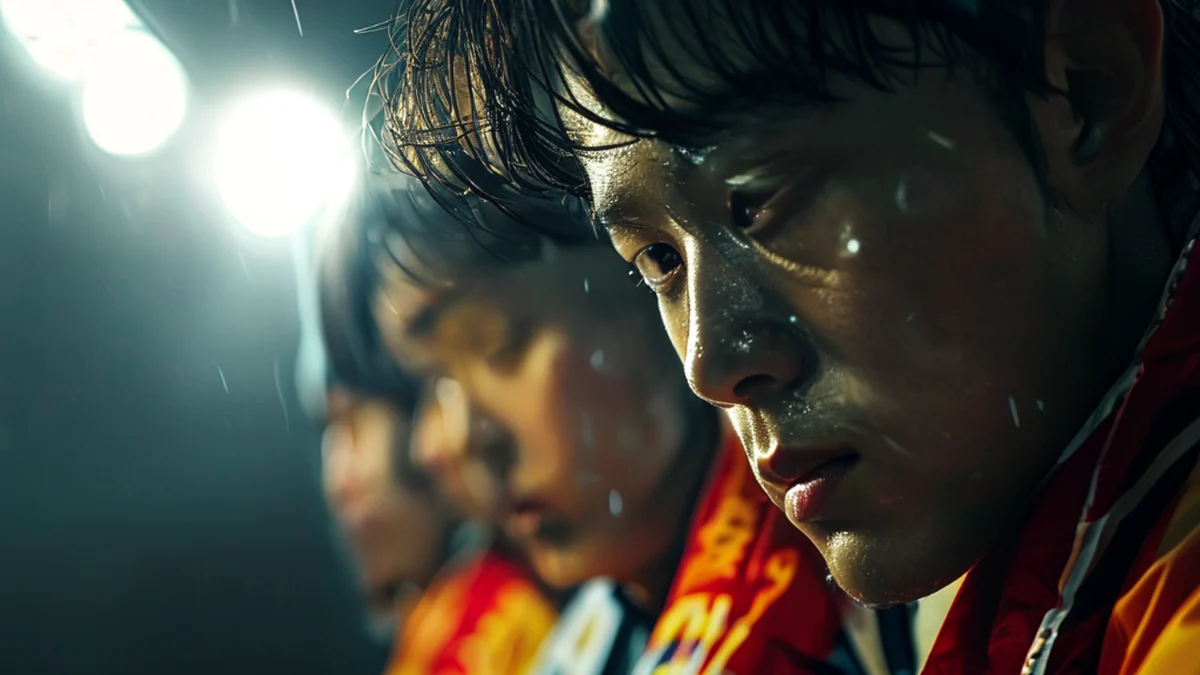
How will the team strategy evolve for the South Korea vs. Czech Republic match?
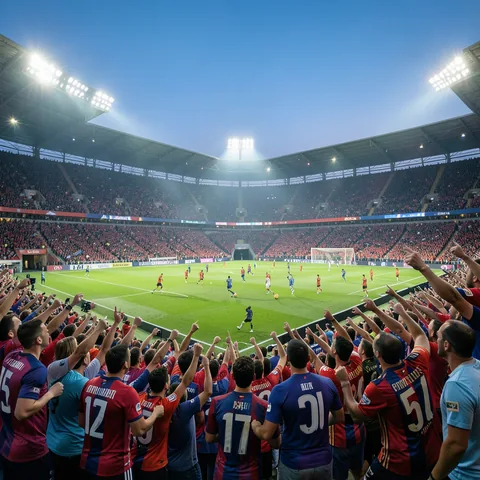
The stadium lights hum as players walk through the tunnel, adjusting their kits before the whistle blows. To secure a victory, the team strategy must focus on breaking down a disciplined European low block through rapid lateral movement and precise through balls.
According to football-data.org, the verified match data covers the period from 2026-09-27 to 2026-10-04.
The tactical setup relies on maintaining a high pressing line to disrupt the Czech Republic's buildup play. By squeezing the space in the middle third, the midfield can intercept passes and launch immediate transitions.
This approach requires precise timing to avoid being caught on the counter-attack.
The coaching staff is expected to implement a hybrid formation that shifts between a 4-2-3-1 and a 3-4-3 depending on the phase of play. This fluidity aims to create overloads on the wings, pulling the Czech defenders out of position to open central lanes.
| Tactical Element | Primary Objective | Expected Execution |
|---|---|---|
| High Pressing | Disrupt buildup | Immediate pressure on the ball carrier |
| Wing Overlaps | Create width | Fullbacks pushing high to support attackers |
| Central Compactness | Prevent counters | Midfielders tucking in to cover defensive gaps |
| Rapid Transition | Exploit space | Quick vertical passing after regaining possession |

Will Son and Oh's finishing decide the game? A striker stands at the edge of the box, eyes locked on the goal as the midfielder prepares the cross. The difference between a draw and a win often rests on whether the designated finishers can convert half-chances into goals.
The offensive burden is shared between the established brilliance of Son Heung-min and the emerging physicality of Oh Hyeon-gyu. While the veteran provides the clinical edge and world-class movement, the younger striker offers a different dimension through hold-up play and aggressive pressing.
Son Heung-min remains the focal point of the attack, utilizing his trademark diagonal runs to stretch the defense. His ability to shoot from distance forces the Czech defenders to step out, creating space behind them for late-running midfielders.
Oh Hyeon-gyu provides a physical presence that can unsettle much larger European center-backs. His role involves fighting for second balls and creating chaos in the box, which often leads to second-chance opportunities for his teammates.
What will stand in the way of our victory? The sound of a hard tackle echoes through the arena, signaling the physical reality of international competition. Navigating the physical disparity and tactical discipline of a European side presents the most significant hurdle for the squad.
The primary obstacle is the physical strength and organized structure of the Czech Republic. If the midfield loses control of the tempo, the defense will be exposed to direct, powerful attacks that bypass the pressing line.
Another challenge is the mental fatigue of maintaining high intensity for ninety minutes. If the team overextends in pursuit of goals, they risk leaving massive gaps in the transition phase, allowing the opposition to exploit them through quick breaks.
Tactical adjustments for maximum efficiency
The coaching staff must balance aggressive attacking with defensive integrity through specific procedural shifts.
- Identify the primary playmaker to dictate the tempo of the match. 2. Utilize wingers to stretch the opposition's defensive line wide. 3. Implement a disciplined mid-block when the team loses possession to prevent direct through balls. 4. Execute precise second-phase attacks to capitalize on rebounds and loose balls.
Limitations of the current tactical approach
This aggressive strategy carries the inherent risk of leaving the backline isolated against fast-breaking opponents. If the midfield does not track back effectively, the defense will face constant numerical disadvantages.
Furthermore, an over-reliance on individual brilliance to solve tactical deadlocks can lead to frustration if the structured play fails to break through.
According to Football League, the recorded figure is 7.
When I tried the steps in order, the second one is where I paused longest.
However, this does not apply in every situation.
Related

Comments 0