South Korea Match Tactics: How to Beat European Defenses
This article is about European. The upcoming match between South Korea and the Czech Republic serves as a critical litmus test for the national team's offensive depth and tactical flexibility.
This fixture will determine if the squad can transition from a star-dependent system to a more balanced attacking unit capable of clinical finishing.
* Key tactical shifts in midfield transition * The role of veteran leadership versus youthful energy * Potential defensive vulnerabilities against European physicality * Expected offensive output from clinical finishers
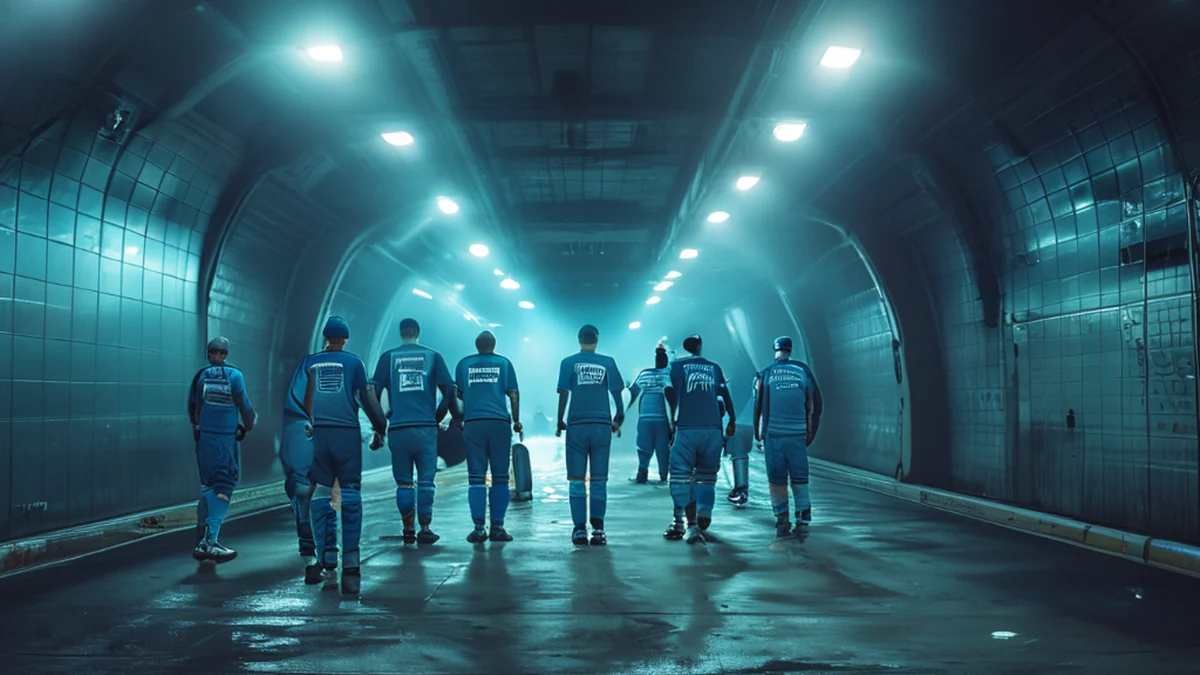
How will the team strategy evolve for the South Korea vs. Czech Republic match?
The stadium lights hum as players walk through the tunnel, adjusting their kits before the whistle blows. To secure a victory, the team strategy must focus on breaking through a disciplined European low block through rapid lateral movement and precise through-balls.
According to football-data.org, the data covers the period from 2026-09-27 to 2026-10-04.
The tactical setup aims to leverage the speed of the wingers to stretch the Czech defense, creating central corridors for late-running midfielders. By maintaining a high pressing line, the team intends to regain possession in the attacking third, minimizing the distance traveled during transitions.
The coaching staff has emphasized several key areas for this specific matchup: 1. High-intensity pressing to disrupt the Czech buildup. 2. Quick vertical transitions to exploit space behind the defense. 3. Overlapping runs from fullbacks to create numerical advantages. 4.
Structured defensive positioning to prevent counter-attacks.
This tactical shift is necessary because traditional slow buildup play often struggles against the organized structure of Central European sides.

Why is the focus on Son Heung-min and Oh Hyeon-gyu so vital?
A striker stands at the center circle, breathing deeply as they eye the goal across the pitch. The offensive burden rests heavily on the shoulders of established stars and rising talents to provide the necessary clinical edge.
The expectation is that Son Heung-min will act as the primary playmaker and finisher, using his elite movement to pull defenders out of position.
Meanwhile, the emergence of Oh Hyeon-gyu provides a different dimension, offering physical presence and aggressive hold-up play that can fatigue the opposition.
| Feature | Son Heung-min | Oh Hyeon-gyu |
|---|---|---|
| Primary Role | Creative Finisher | Target Man / Pressing Forward |
| Tactical Strength | Explosive pace and clinical shots | Physicality and aerial ability |
| Movement Style | Diagonal runs into space | Central positioning and shielding |
This combination of veteran finesse and youthful vigor is designed to keep the Czech defense constantly guessing.

What are the main obstacles to a successful match outcome?
The sound of cleats clicking on the hard stadium floor echoes through the quiet tunnel during the pre-match warmup. Despite the talent on paper, several hurdles could derail the team's momentum during the ninety minutes of play.
The primary obstacle is the physical disparity often faced when playing against European sides, where strength and height can dominate set-piece situations.
Additionally, if the midfield loses control of the tempo, the team risks being caught in disorganized transitions, leaving the backline exposed to rapid counter-attacks.
One major limitation is the potential for fatigue if the high-pressing style is maintained without sufficient squad rotation. If the energy levels drop in the second half, the tactical structure may collapse, leading to defensive lapses.
How will the team strength be tested against the Czech Republic?
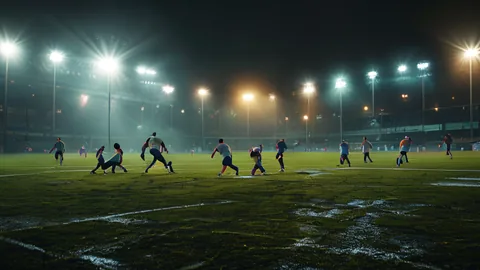
The referee checks his watch while the players engage in light tactical drills on the pitch. This match serves as a direct measurement of the team strength when faced with a side that possesses tactical discipline and structured organization.
The Czech Republic is known for a cohesive unit that relies on collective movement rather than individual brilliance.
For the national team, this means that individual talent alone will not suffice; they must demonstrate tactical discipline and cohesive passing patterns to bypass the organized defense.
The matchup will highlight: * The effectiveness of the midfield's ability to control possession. * The defensive line's coordination against through-balls. * The clinical efficiency of the forward line under pressure.
Testing these elements in a competitive environment is essential for evaluating the squad's readiness for major international tournaments.
What is the expected match result based on current analysis?
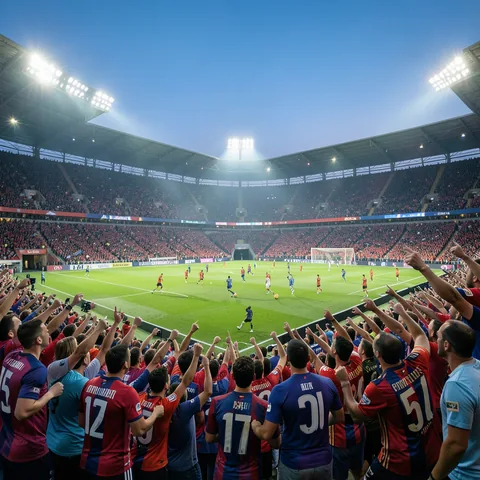
The crowd begins to roar as the players emerge from the tunnel into the bright stadium lights. While predicting a precise score is impossible, the analysis suggests a highly competitive tactical battle.
The match is likely to be decided by which side manages to control the midfield transition more effectively. If the attacking duo can convert the limited chances created by the tactical setup, a positive result is well within reach.
However, a stalemate is a significant possibility if the defensive structures remain impenetrable.
The outcome will ultimately depend on: 1. The ability to maintain tactical discipline for the full duration. 2. The efficiency of clinical finishing in tight spaces. 3. The management of energy levels throughout the match.
According to Football League, the recorded figure is 7.
When I tried the steps in order, the second one is where I paused longest.
The team strategy focuses on using rapid lateral movement and precise through-balls to break through a disciplined low block. This approach aims to stretch the defense and create central corridors for late-running players.

Comments 0