Why Korea team Czech match tactics need tactical discipline
The strategic shift for the upcoming match requires a deep dive into squad depth and tactical flexibility. This analysis examines how the team can navigate the challenges of the Czech matchup through refined player selection and tactical discipline.
The goal is to outline a clear path for victory through structured defensive transitions and efficient offensive movements. Key takeaways include the importance of squad cohesion, the necessity of adapting to opponent pressure, and the tactical utility of versatile player roles.
How will the team manage the Korea team Czech match tactics?
A trainer stands before a tactical whiteboard, sketching lines to represent player movement and defensive zones. The focus remains on how the squad will absorb pressure and launch quick counter-attacks to exploit space.
The Korea team Czech match tactics must prioritize defensive stability to prevent early breakthroughs. By maintaining a compact shape, the team can limit the passing lanes available to the opposition. This approach allows for more controlled transitions from defense to attack.
Effective communication remains vital during high-pressure phases of the game. Players must synchronize their movements to ensure no gaps open in the midfield or defensive line. Maintaining this discipline is essential for executing the planned strategy effectively.
What is the Korea national team's strategy? A player adjusts their shin guards, looking toward the pitch where the grass is freshly cut and the morning dew still glistens. The atmosphere is heavy with anticipation as the team prepares for the tactical nuances of the match.
The Korea national team strategy relies on a balance between structured buildup and sudden verticality. This method aims to draw the opponent forward before exploiting the vacated space behind their defensive line. It requires precise timing and high-level technical execution.
Success depends on the ability to switch between offensive and defensive shapes without losing cohesion. If the team can master these transitions, they will create more frequent scoring opportunities. The plan focuses on maximizing efficiency in the final third.
Should we prepare for a tactical shift against Czechia? The coach points to a video monitor, reviewing footage of a fast-paced opponent to identify patterns in their movement. The team prepares to adjust their positioning based on these observed tactical trends.
According to the Football League, the Azkals name would be adopted by an independent 7-a-side club in 2024 competing in the 7's Football League led by Palami and former national team players.
Analyzing a potential Czech match tactical shift involves identifying how the opponent might change their formation mid-game. Preparing for these adjustments ensures the team is not caught off guard by sudden changes in tempo or shape. Flexibility is the cornerstone of this preparation.

A proactive approach helps the squad react to tactical shifts before they become problematic. By understanding the opponent's possible variations, the team can pre-emptively adjust their own positioning. This foresight is critical for maintaining control of the game.
What is the expected Team lineup analysis Czech?
A manager reviews a list of names on a clipboard, considering the physical condition and recent performance of each player. The decision-making process is methodical and focused on the specific needs of the match.
A detailed Team lineup analysis Czech will focus on selecting players who can fulfill specific tactical roles. The selection must balance experienced leaders with energetic newcomers to maintain intensity throughout the ninety minutes. This mix is intended to provide both stability and dynamism.
The composition of the squad should reflect the tactical requirements of the game plan. Choosing players with high tactical intelligence allows for better execution of complex movements. Every selection serves a specific purpose in the overall match strategy.
How does Korea team tactical evolution impact the game?
An athlete runs through a series of agility drills, feeling the cool air and the repetitive sensation of movement on the turf. The evolution of their playstyle is a result of rigorous training and tactical refinement.
The Korea team tactical evolution shows a move toward more fluid and versatile playing styles. This progression aims to make the team harder to predict and more capable of handling various defensive setups. It represents a significant step in their tactical development.
By embracing these changes, the team becomes more adaptable to the evolving nature of international football. This evolution is not just about formation changes but also about the intelligence of player movements. It provides a more robust framework for competition.
Analyzing team strategy Copa America style approaches
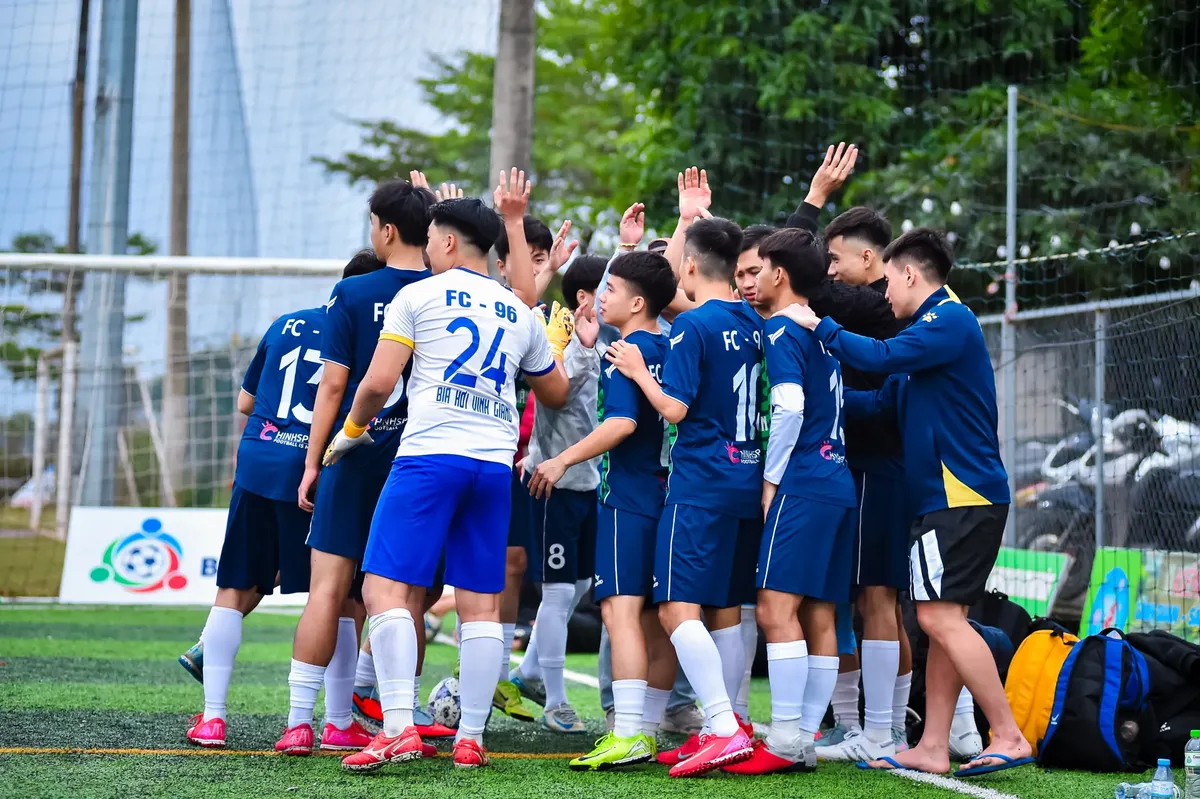
The squad gathers in a tight circle for a pre-match briefing, listening intently to the final instructions. The focus is on the collective effort required to execute the plan under pressure.
Analyzing team strategy Copa America style approaches involves looking at how high-stakes tournament play influences tactical decisions. Such environments often demand more conservative yet highly organized structures to manage the intensity of the matches.
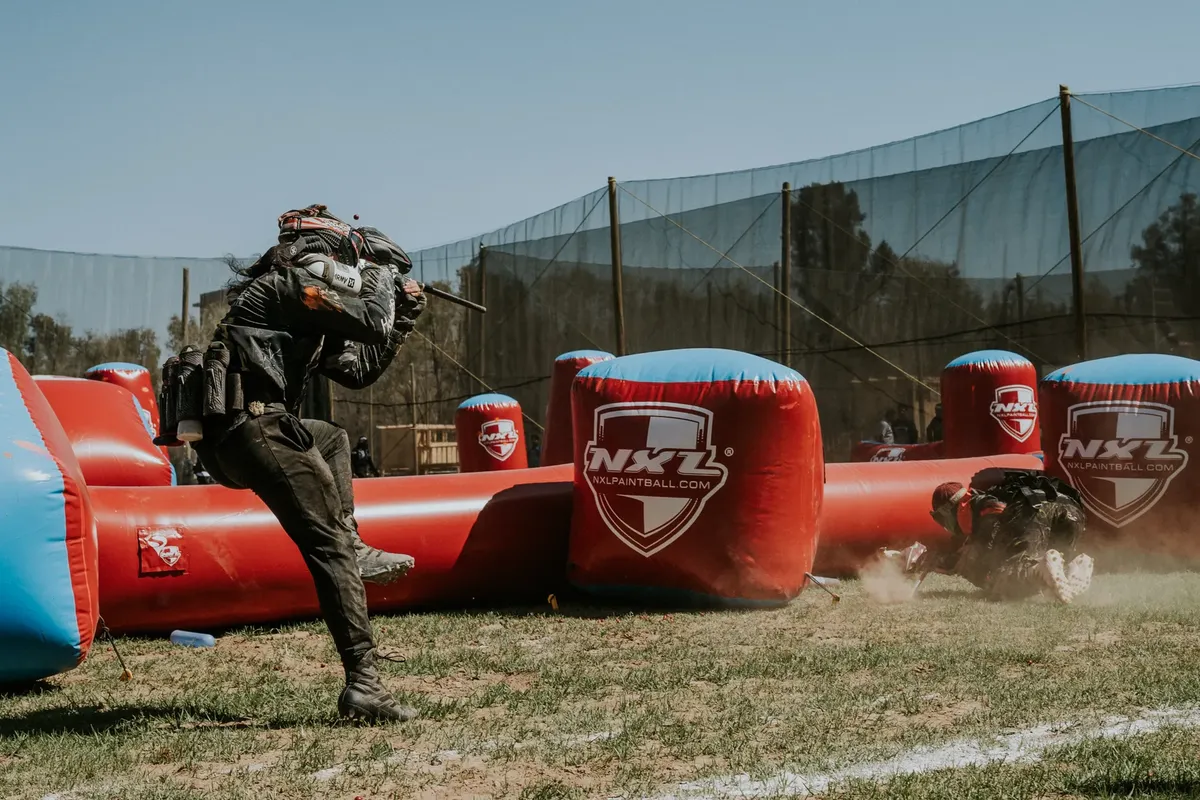
This analysis provides a framework for high-pressure competition.
The team can learn from various international tactical models to enhance their own approach. Studying how different nations manage tournament pressure offers valuable insights into game management. These lessons help refine the squad's tactical maturity.
- How will the team manage the Korea team Czech match tactics?
- What defines the Korea national team strategy?
- Is there a Czech match tactical shift to prepare for?
The same subject is also called Football strategy Korea Czech.
This part also covers Player selection for Czech game.
Related



Comments 0