Son Heung-min League Cup goal: How to guide cup run
"The goal was further recognised by FIFA with a Puskás Award as the best goal of the past 12 months in December 2020."
The Son Heung-min League Cup goal represents a pivotal moment in a high-stakes tournament. Achieving this milestone requires tactical precision and physical resilience to secure a path toward the quarterfinals.
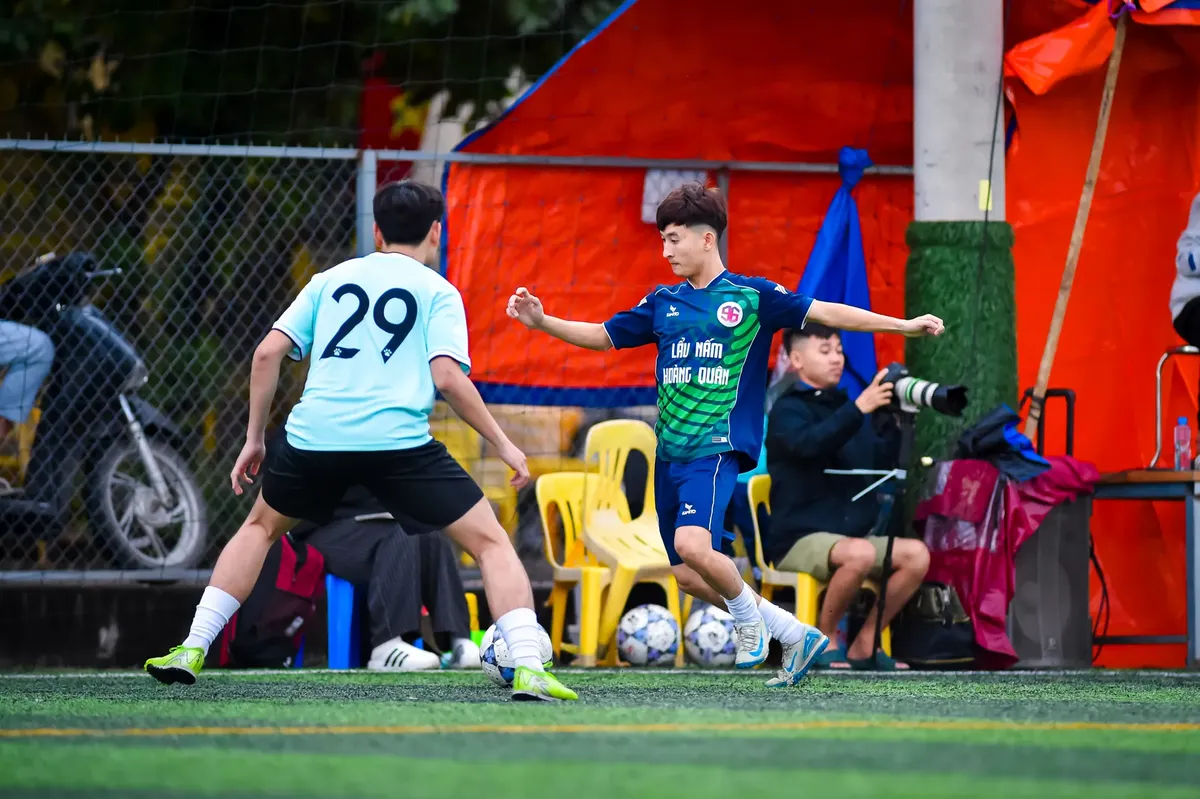
* Analyzing tactical execution for goal scoring. * Understanding the impact of player transfers cup dynamics. * Evaluating physical conditioning for tournament longevity. * Recognizing historical scoring precedents.
How does a Son Heung-min League Cup goal shape a tournament run?
A player stands at the edge of the penalty area, watching the ball arc toward the net. This single moment of clinical finishing can shift the momentum of an entire cup campaign.
A Son Heung-min League Cup goal serves as a catalyst for team confidence and tactical shifts. Such a strike often breaks defensive deadlocks, allowing a team to dictate the tempo of play.
By converting key opportunities, a player forces opponents to adjust their defensive structures, creating space for teammates. This tactical shift is essential for any team aiming to progress through difficult knockout stages.
What is the significance of a Son first goal cup run?
The atmosphere in a crowded stadium intensifies as a striker prepares for a decisive shot. Every goal scored in a cup competition builds a narrative of success and determination.
As reported by the Premier League, he jointly won the Premier League Golden Boot award with 23 goals in the 2021–22 season, becoming the first Asian player to win it.
A Son first goal cup run establishes a psychological advantage over opponents. For a veteran player, these early goals validate tactical decisions and build rhythm.
Achieving early success in a tournament can ease the pressure on the squad, making the journey toward the quarterfinals more manageable. This momentum is vital when facing high-caliber opposition in later rounds.
How do we analyze Son's cup goal strategy?
A coach points to a tactical board, outlining passing lanes and defensive gaps. The strategy relies on timing, movement, and the ability to exploit specific weaknesses.
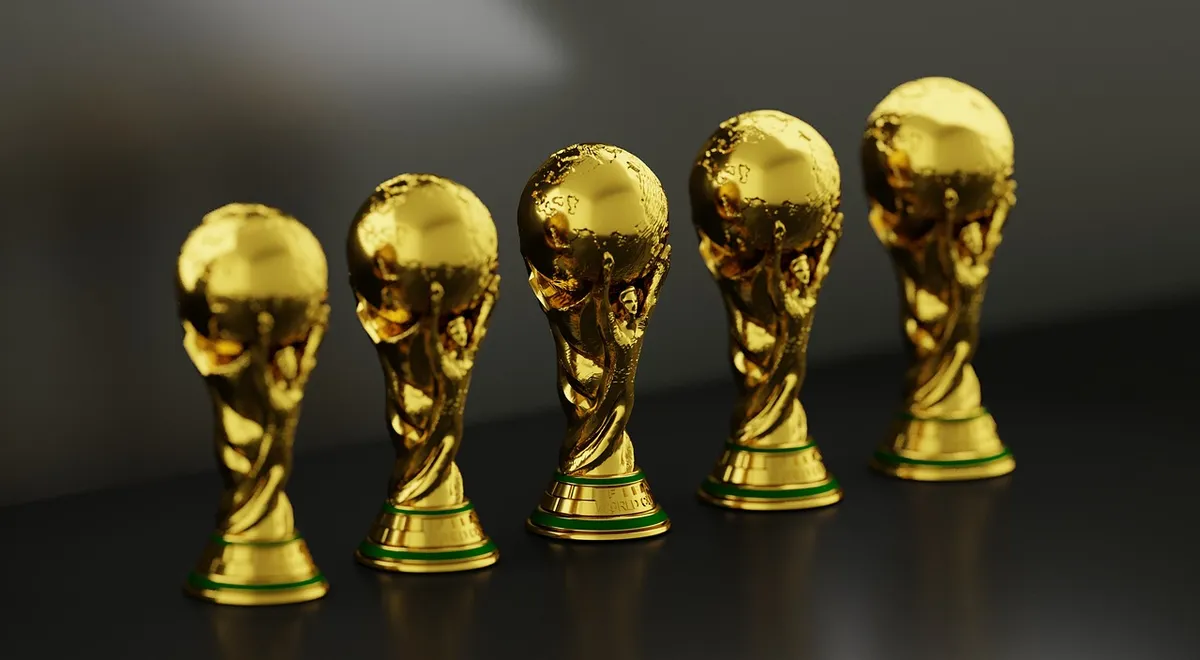
According to the Europa League, Son netted his first two goals for the club in a 3–1 win against Qarabağ FK during Tottenham's first match of the 2015–16 UEFA Europa League on 17 September.
Analyzing Son's cup performance involves looking at movement off the ball and clinical finishing. A successful strategy often involves exploiting space behind the defense or utilizing quick transitions.
By understanding how a player finds pockets of space, coaches can design plays that maximize scoring potential. This tactical awareness is a hallmark of elite-level competition.
What are the challenges in a challenging for cup semi-finals journey?
Players face grueling schedules, moving from one city to another under heavy fatigue. The physical toll of a deep tournament run tests even the most seasoned professionals.
Challenging for cup semi-finals requires sustained physical peak performance. As the tournament progresses, fatigue becomes a significant factor in decision-making and execution. Maintaining a high level of play while managing injuries is a constant struggle for top-tier athletes.
Success depends on balancing intensive match play with adequate recovery protocols.
How do player transfers impact cup performance?
A player puts on a new jersey, stepping onto a pitch where they must quickly adapt to new teammates. The integration process can determine the success of a club in a tournament.
The impact of player transfers cup dynamics can be seen in how quickly a new signing integrates into the tactical system. A player must learn the tendencies of new teammates to execute complex plays effectively. While a transfer can bring immediate quality, it also requires a period of adjustment.
Successful integration often leads to a surge in scoring and teamwork during critical matches.
How do we evaluate the tactical plan for cup success?

A trainer watches from the sidelines, noting how the team maintains its shape. The plan must be flexible enough to adapt to the flow of the game.
A Son's tactical plan for cup success relies on disciplined positioning and explosive movement. Players must remain aware of their surroundings to capitalize on fleeting opportunities. A well-structured plan ensures that the team remains compact defensively while remaining dangerous on the break.
This balance is key to navigating the unpredictable nature of cup football.
The same subject is also called League Cup path to eight.
Related
- Messi World Cup goal tips 15 longevity and legacy guide
- Son Heung-min World Cup goal: 23 Goals Milestone Tips
What conditions make a goal particularly impactful in a cup match? 1. The timing of the goal dictates the immediate psychological impact on the opposing team. 2. A decisive goal often forces a fundamental alteration in the opponent's defensive strategy. 3. Achieving a goal when the match is tightly contested elevates its significance considerably. 4. Such a moment can provide the necessary impetus for a team to pursue further success.
The Puskás Award recognition for the goal highlights how exceptional a single scoring event can be. This award acknowledges the sheer quality of the goal, which is a measure of its technical execution.
The recognition by FIFA confirms the goal's standing as a standout performance during the specified period.
How does physical conditioning relate to tournament goal-scoring? 1. Sustaining peak physical condition allows players to maintain high-intensity efforts throughout the competition. 2. Fatigue management is crucial because it directly affects a player's ability to execute a scoring chance. 3. The ability to recover adequately between matches supports consistent performance needed for a goal. 4. Proper conditioning enables players to exploit defensive gaps created by tired opponents.
The evaluation of physical conditioning for tournament longevity shows that endurance supports tactical execution. When players are physically prepared, they can adhere to the coach's plan even when the game demands extreme output.
This resilience allows a player to remain effective in the final stages of the cup run. The goal, therefore, is not just a moment of skill but a product of sustained physical readiness.







Comments 0