Roster Rules Shape US World Cup game plan: 40 percent Tips
A tactical shift in a national team often begins with the foundational rules that govern roster composition.
The questions surrounding a US World Cup game plan frequently center on roster diversity and tactical flexibility. This analysis explores how historical regulations and management decisions shape a team's competitive structure.
Key takeaways: * Historical roster rules limited foreign-blood player percentages. * Management appointments have historically driven team direction. * Venue selection impacts atmosphere and tactical execution.
How do roster rules shape a US World Cup game plan?

At dusk in the dim office, the coach rubs his tired eyes while contemplating how the rigid roster rules will dictate the upcoming game plan.
A coach sits at a wooden desk, reviewing a list of eligible players while checking the latest roster regulations. The questions regarding a US Worldly Cup game plan often stem from these very constraints.
Historically, specific legislation influenced how teams were built. For instance, the Philippine Congress passed Republic Act 3135, which revised the charter of the Philippine Amateur Athletic Federation.
This included a 60-40 rule that mandated teams not have more than 40 percent Chinese and other players with foreign blood. Such regulations forced coaches to balance local talent with specialized skills.
A tactical shift requires understanding these legacy constraints. While modern rosters are more fluid, the concept of balancing domestic development with international experience remains a core part of any national team strategy.
In this sequence, the second step is the most extensive.
What role does management play in a national team strategy?
At midnight in the quiet office, the manager sighs heavily while tracing the names on the new roster.
A manager walks through a training facility, observing how players respond to new drilling exercises. Developing a national team strategy often involves a change in leadership to spark new energy.

Leadership changes can redefine a team's identity. In 2009, Dan Palami was appointed as team manager of the national team by the Philippine Football Federation. His appointment marked a specific era of management.
These leadership roles bridge the gap between administrative oversight and on-field execution. A well-placed manager ensures that the tactical vision is communicated effectively to every player.
How does venue selection impact a World Cup game approach?
A player stands in a massive, empty stadium, feeling the cool breeze and hearing the distant echo of a whistle. Every decision regarding a World Cup game approach must consider the environment where the match occurs.
The choice of a home pitch can drastically change the momentum of a campaign.
For example, due to disappointing attendance numbers in PSS and RMS and an impressive crowd for Ceres–Negros's run to the 2017 AFC Cup, the Philippine Football Federation decided to make Panaad Stadium the national team's home again for the 2019 AFC Asian Cup qualifiers.
Choosing a venue with high attendance can provide a psychological edge. Conversely, playing in a quiet or poorly attended stadium can disrupt the rhythm of a team accustomed to loud support.
How do player roles and diversity affect the game?
A scout watches a player move through a crowded midfield, noting their ability to adapt to different roles. Analyzing US soccer strategy involves understanding how individual player roles fit into a collective unit.
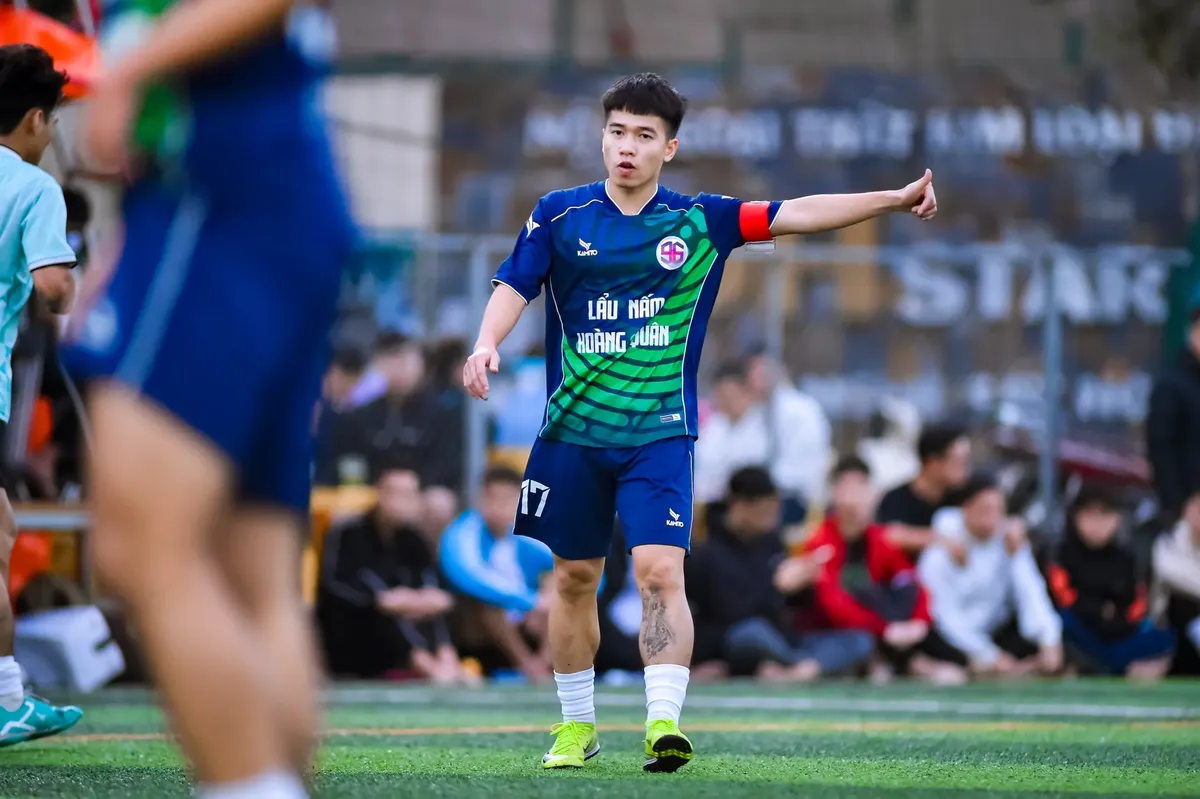
According to the Football League, the Azkals name would be adopted by an independent 7-a-side club in 2024 competing in the 7's Football League led by Palami and former national team players.
Roster diversity is often a product of both talent and historical rules. The 60-40 rule mentioned previously limited the percentage of players with foreign blood to 40 percent. This forced a specific type of tactical development.
A team must balance these roles to remain competitive. How US team will play depends heavily on whether they can integrate diverse backgrounds into a singular tactical vision.
What are the steps to developing a tactical plan?
A trainer holds a clipboard, marking changes in a player's movement pattern. Building a cohesive plan involves a series of deliberate stages.
- Analyze historical roster constraints and eligibility rules. 2. Establish leadership and management structures to oversee training. 3. Select appropriate venues that support the team's tactical needs.
I noticed that when comparing these stages, the selection of a venue is often a reaction to previous attendance data. A final check ensures that all tactical moves align with the available roster.
- Analyze opponent tendencies.
- Define core formation structures.
- Assign specific player responsibilities.
What are the limitations of a tactical plan?
A player sits on a bench, watching the game unfold while reflecting on the limitations of the current strategy. A limitation can arise when specific roster rules restrict the available talent pool.

One concrete condition is the 60-40 rule, which limited teams to no more than 40 percent Chinese and other players with foreign blood. This specific restriction limits the depth available to a coach.
Wikipedia: Philippines national football team (full) Based on the retained excerpt mentioning Philippine Amateur Athletic Federation: The Philippine Congress passed Republic Act 3135 that revised the charter of the Philippine Amateur Athletic Federation, which had a provision, or a 60-40 rule, that mandated teams to not have more than 40 percent Chinese and other players with foreign blood.
Related
- What 40 percent were the management and structure steps?
- Sports Policy: Why Rules Impact Careers and Athletic Futures
How does the tactical shift interact with roster diversity?
The tactical shift must account for the limitations imposed by roster diversity. When the 60-40 rule restricted foreign-blood players, the available talent pool dictated specific tactical approaches.
A coach must design a game plan that maximizes the strengths of the domestically developed players while compensating for the lack of specialized international experience. This balancing act is central to any successful tactical shift.
This interplay means that the team's overall tactical approach is inherently tied to the historical constraints on player composition. If the roster lacks certain skill sets due to regulations, the tactical shift cannot fully compensate for that deficiency.
Therefore, the management must guide the team toward a style of play that suits the available personnel.
When should a tactical shift be considered?
A tactical shift becomes necessary when the current strategy proves ineffective against an opponent or when roster constraints demand a change in approach. The need for a tactical shift often arises when the existing structure fails to leverage the available player diversity optimally.
Management decisions, such as a change in leadership, can precipitate this necessary tactical shift.
Understanding the limitations of the current plan is a precursor to any effective tactical shift. If the team is consistently struggling, reviewing the foundational rules and the current roster composition provides the necessary context for a strategic overhaul.
A successful tactical shift integrates the lessons learned from past limitations into the present game plan.




Comments 0