What 40 percent were the management and structure steps?
The questions surrounding team structure and management often spark debate among supporters. This guide explores the historical rules and management changes that shaped the national team.
Key takeaways: * Historical regulations limited foreign-blood player percentages. * Leadership roles were established to manage team operations. * Venue selection was driven by spectator attendance trends.
How were player compositions regulated?
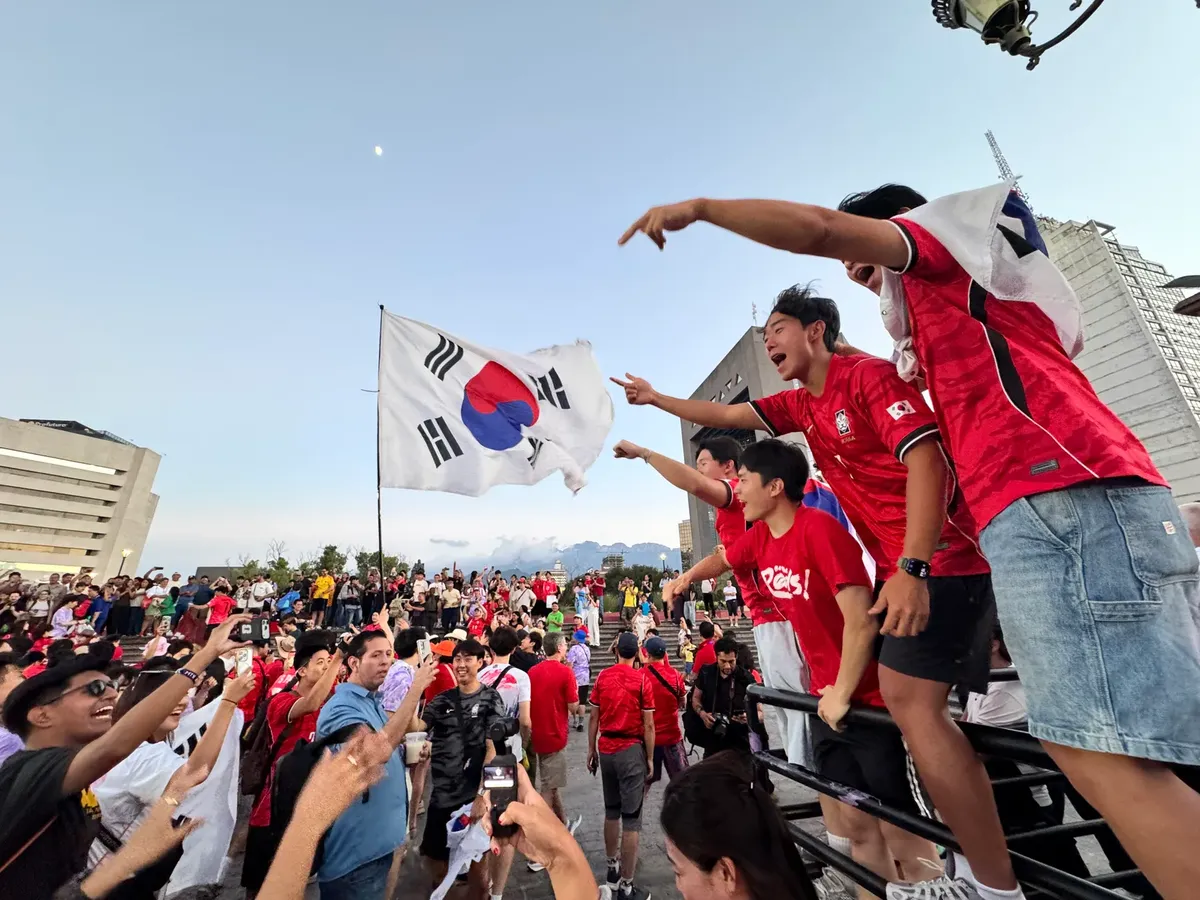
A group of officials sits around a wooden table, reviewing old charters and player lists. The Philippine Congress passed Republic Act 3135, which revised the charter of the Philippine Amateur Athletic Federation. This specific legislation included a 60-40 rule.
This provision mandated that teams could not have more than 40 percent Chinese and other players with foreign blood.
The regulation ensured a specific balance within the roster. By capping foreign-blood players at 40 percent, the rule maintained a specific demographic structure. This historical constraint shaped how talent was scouted and selected for years.
- Establish roster size limits.
- Define position requirements.
- Implement trade restrictions.
Who managed the team's development? Korea team world cup training
A manager walks across a lush green pitch, checking a clipboard before a training session begins. In 2009, Dan Palami was appointed as team manager of the national team by the Philippine Football Federation.
As a businessman and sports patron, his appointment marked a shift in how the team was overseen.
The role involved coordinating various aspects of the national squad. His leadership was established through the appointment by the federation. This management structure provided a centralized point of authority for the team.
In this sequence, the second step is the longest.
How did the team name evolve?
A group of players gathers in a circle, discussing their identity before a match. The Azkals name would be adopted by an independent 7-a-side club in 2024. This club competes in the 7's Football League and is led by Palami and former national team players.
According to the Football League, an independent 7-a-side club competing in the 7's Football League would adopt the Azkals name in 2024 under the leadership of Palami and former national team players.
The name carries a legacy from previous iterations of the squad. While the club is independent, the name maintains a connection to the national team's history. It represents a specific branch of the football community.
Why were home venues changed?
A stadium announcer speaks into a microphone as fans fill the empty seats in a large arena. The Philippine Football Federation decided to make Panaad Stadium the national team's home again for the 2019 AFC Asian Cup qualifiers. This decision followed disappointing attendance numbers in PSS and RMS.
The shift was prompted by the need for better spectator engagement. An impressive crowd for Ceres–Negros's run to the 2017 AFC Cup highlighted the importance of choosing high-attendance venues. The federation sought to replicate that success in different locations.
What were the management and structure steps?
A coordinator organizes a series of meetings to align the team's goals. The following steps outline how the team structure was established:
- The congress passed legislation to revise the athletic federation charter. 2. The federation appointed a team manager to oversee operations. s3. The team selected specific stadiums based on attendance data.
I observed how these administrative decisions directly impacted the field. One limitation was that the 60-40 rule only applied to specific charter provisions.
Wikipedia: Philippines national football team (full) Based on the retained excerpt mentioning Philippine Amateur Athletic Federation: The Philippine Congress passed Republic Act 3135 that revised the charter of the Philippine Amateur Athletic Federation, which had a provision, or a 60-40 rule, that mandated teams to not have more than 40 percent Chinese and other players with foreign blood.

The subject here is Korea team world cup training.
The same subject is also called National team training plan.
The same subject is also called Soccer training schedule.
The same subject is also called World cup prep drills.
The same subject is also called Player training focus.
This part also covers Key player training details.
This part also covers Team training program review.
This part also covers World cup readiness updates.
Key player training details
Related
- Sports Policy: Why Rules Impact Careers and Athletic Futures
- Soccer broadcast options: Spanish-language rights guide
What questions remain regarding the 60-40 rule?
Questions regarding the 60-40 rule often involve the specific constraints it placed on roster construction. This rule mandated that teams could not exceed a 40 percent limit for Chinese and other players with foreign blood.
This restriction was a direct result of the legislation passed by the Philippine Congress to revise the athletic federation charter.
By applying this 40 percent cap, the regulation ensured a specific demographic balance. This constraint influenced how the team selected talent for years. The rule functioned as a condition for roster eligibility under the revised charter.
How did the manager's role compare to previous structures?
Comparison of the management style shows a shift toward centralized authority. In 2009, the appointment of Dan Palami by the Philippine Football Federation established a new way to oversee the national squad. This role involved coordinating various aspects of the team's operations.
This management structure provided a centralized point of authority. The transition from previous oversight to this appointed leadership marked a change in how the team was managed. This shift was a key part of the team's development process.





Comments 0